
Jan 17, 2026
Company News

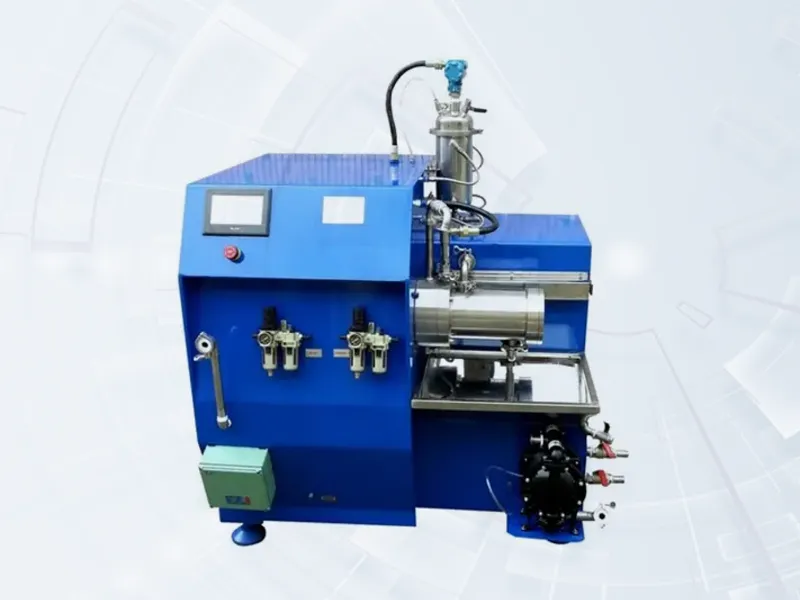
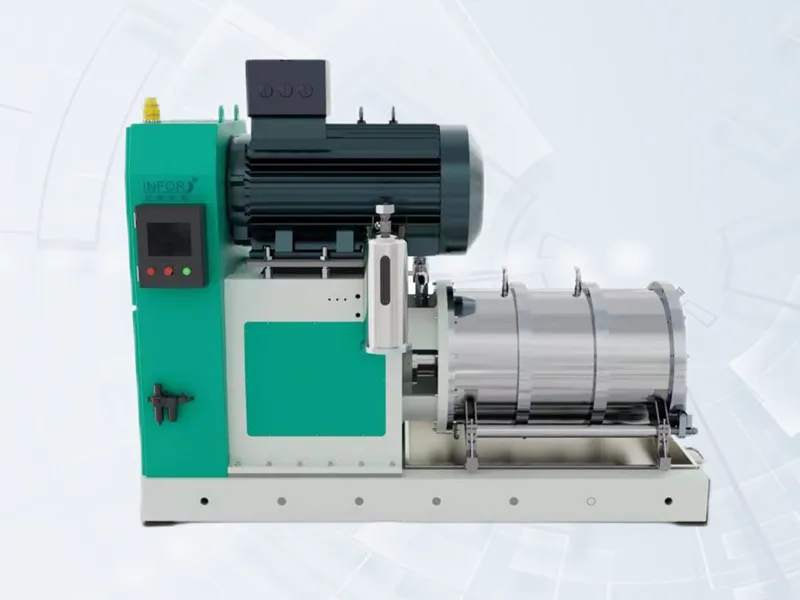
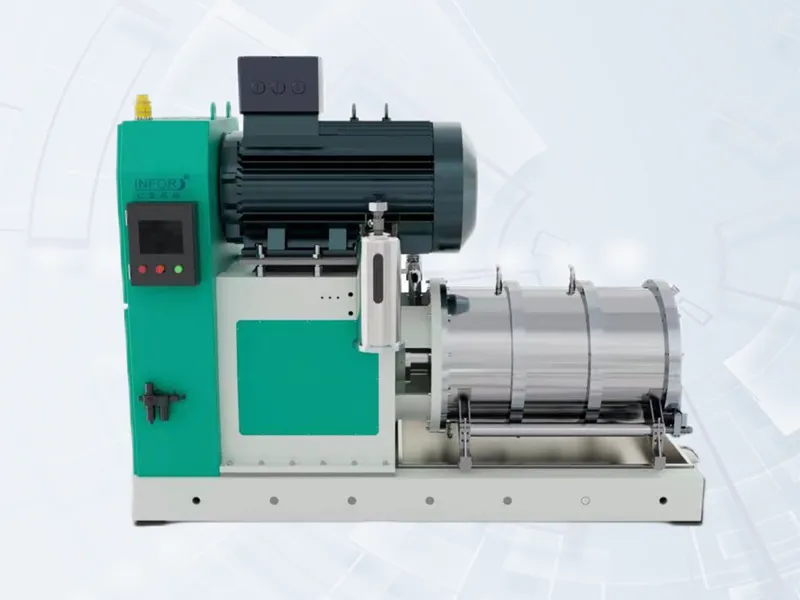
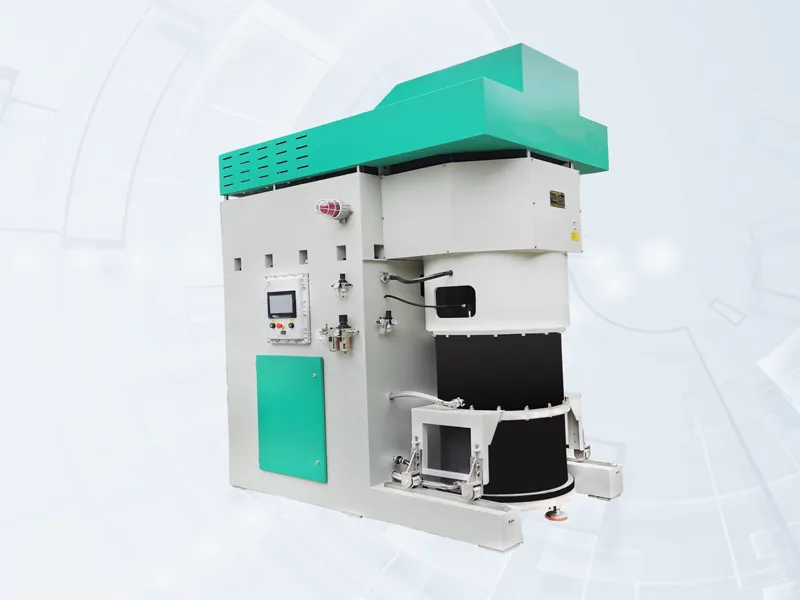
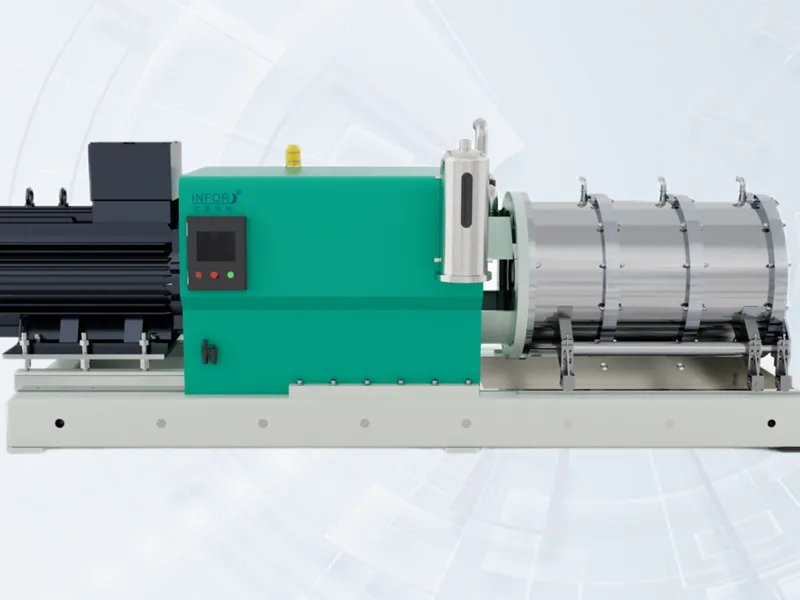
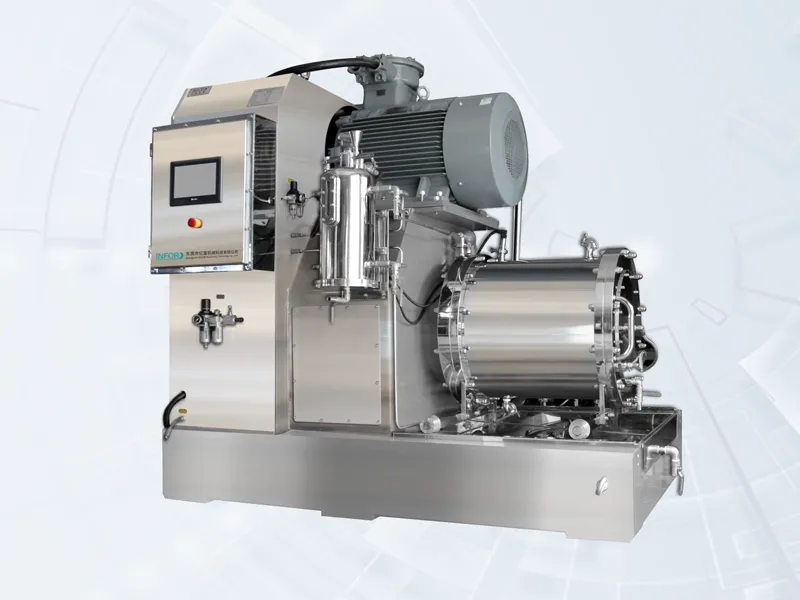
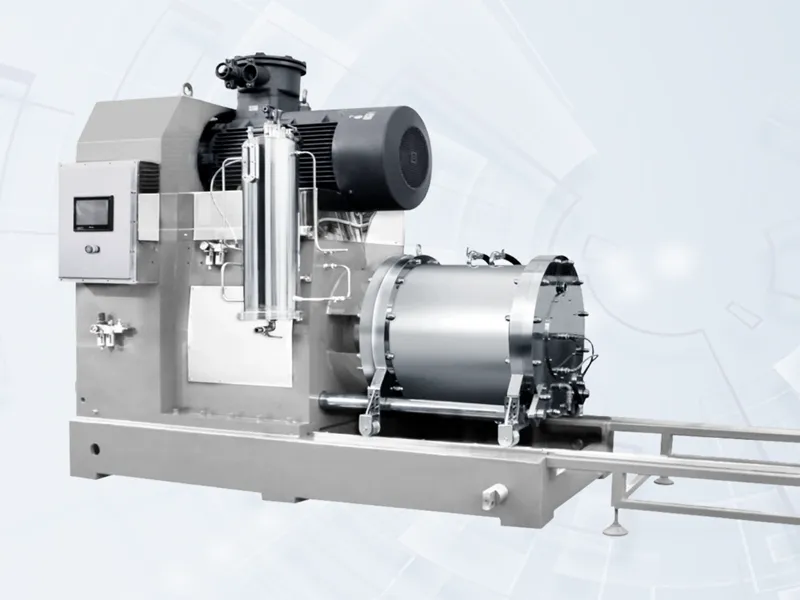
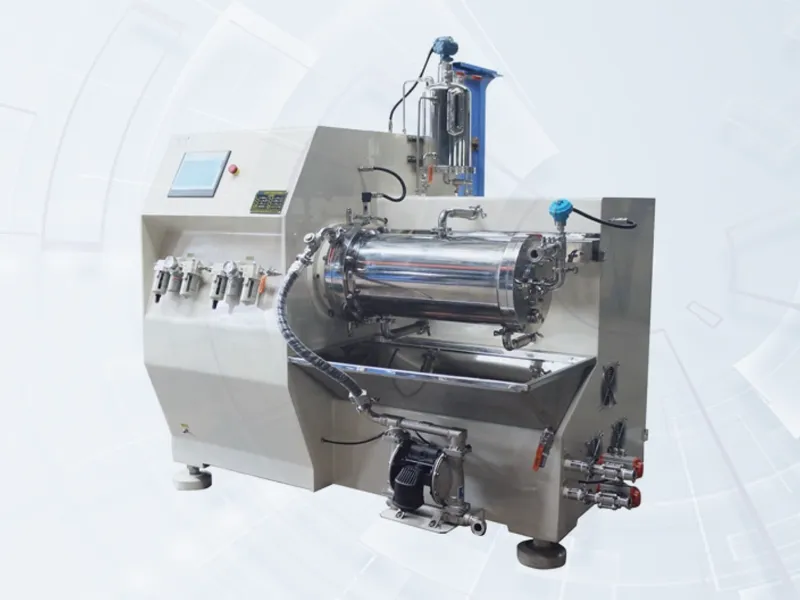
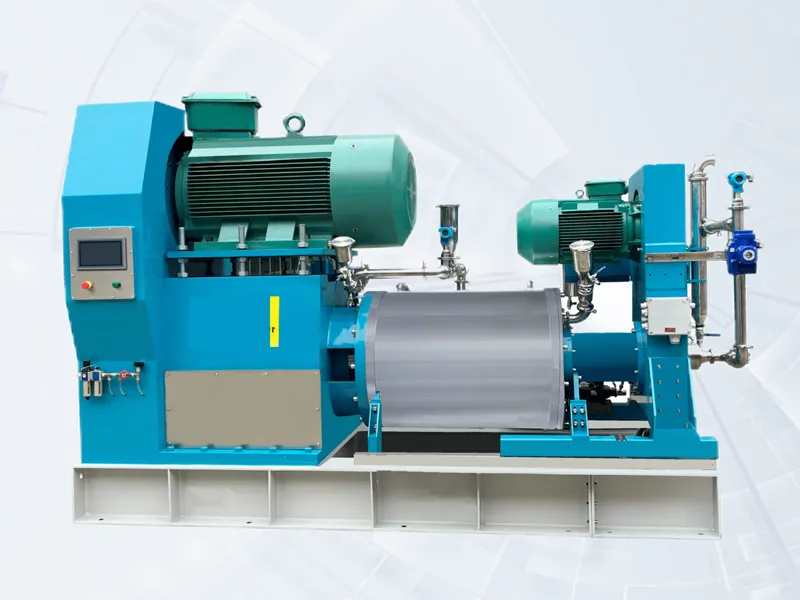
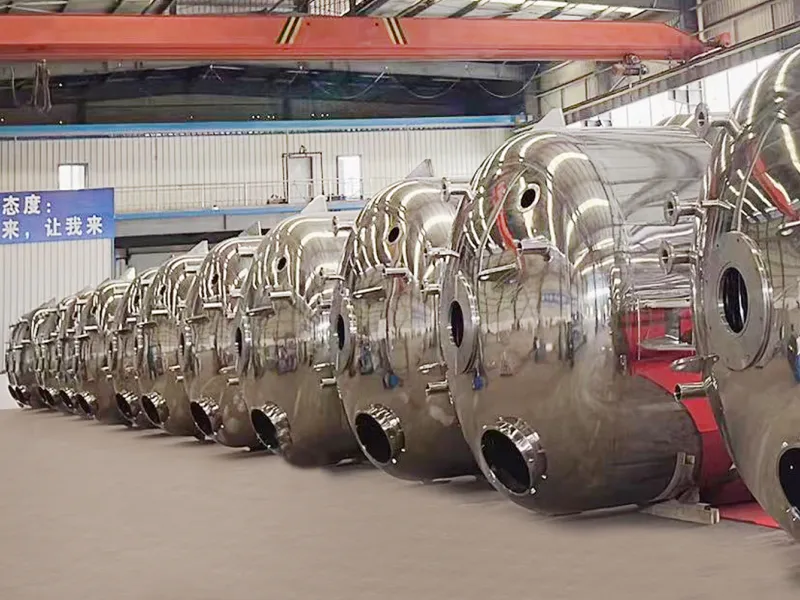
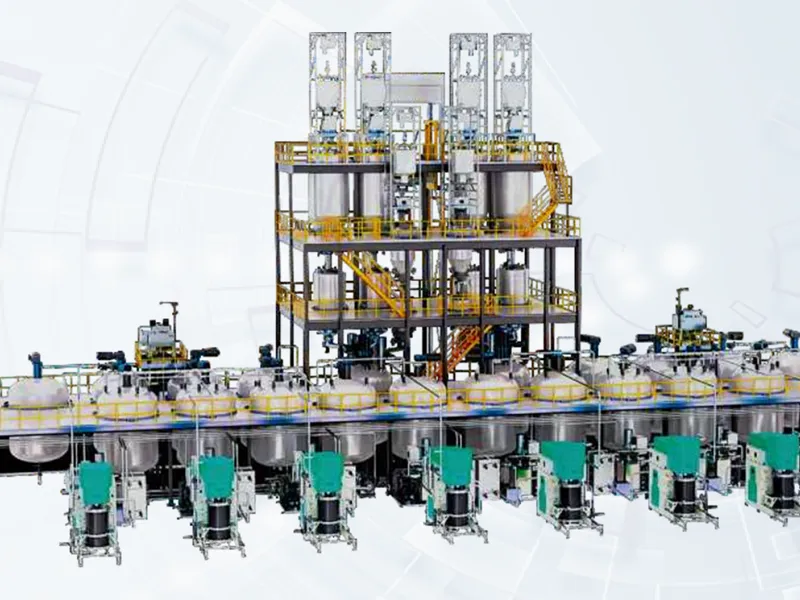

Electronic ceramics are a pillar material in the modern electronic information industry and are widely used in MLCCs (multilayer ceramic capacitors), piezoelectric ceramics, ceramic substrates, magnetic materials, and other applications. The performance of these components is highly dependent on the purity, particle size, and distribution of the ceramic powder. Sand mills are a key step in achieving ultrafine grinding, homogenization, and slurry formation of electronic ceramic powders.
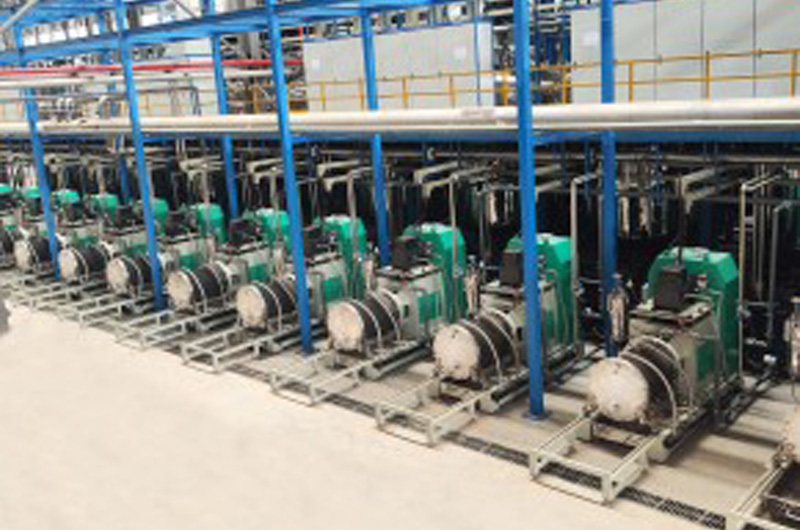
Core Applications:
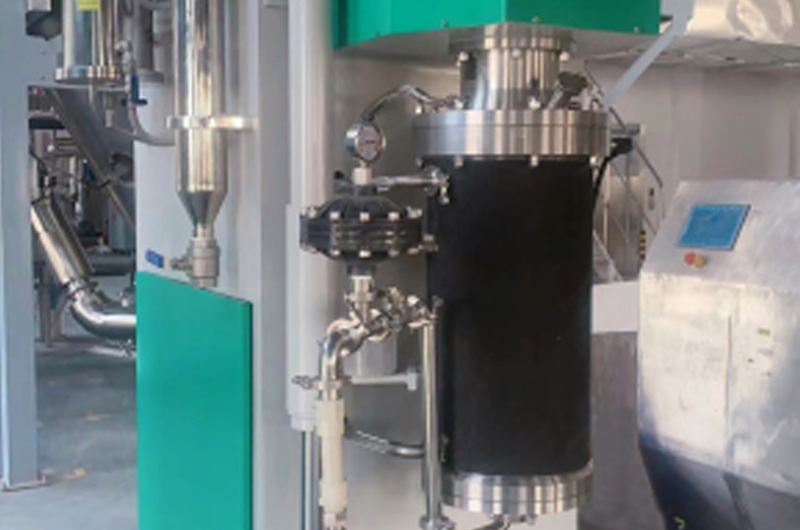
Nano-grinding of MLCC Powders: To produce smaller and higher-capacity MLCCs, base ceramic powders such as barium titanate must be ground to a particle size of 100 nanometers or even finer. Sand mills, such as the vertical nano sand mill, provide a significant energy input, achieving nano-scale particle size while ensuring a concentrated particle size distribution, which is essential for improving dielectric constant and reliability.
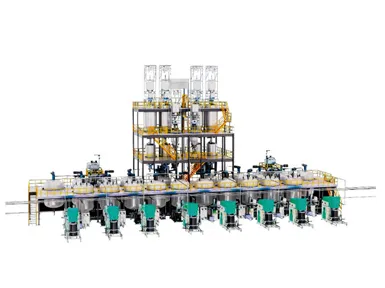
Precision Preparation of Electronic Pastes: Electrode pastes (such as silver and copper pastes) and dielectric pastes used in screen printing require grinding and mixing functional powders such as metal powder and glass powder with an organic carrier to create a uniform, fine, and rheologically sound paste, including advanced formulations like carbon nanotube slurry. Any large particles or agglomerates can cause printing shorts or sintering defects, which is why incorporating a dispersion tank is beneficial for initial homogenization.
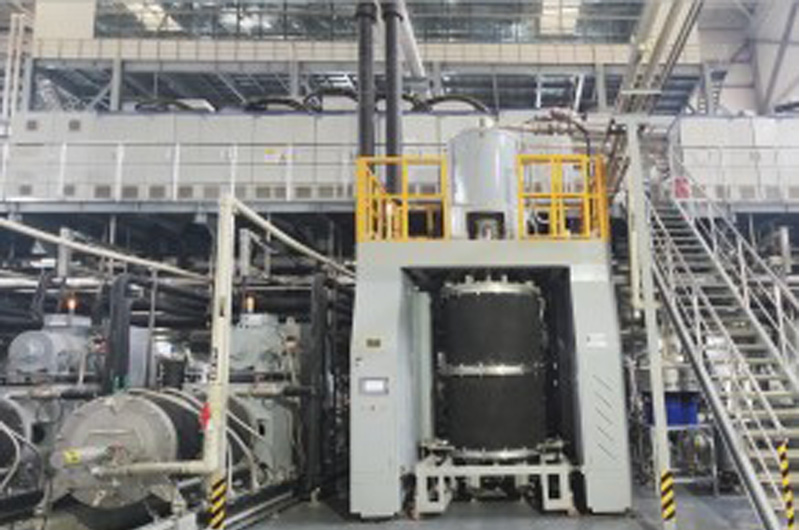
Homogenization of piezoelectric ceramics and magnetic materials: Ensures highly uniform mixing of material components (such as PZT and ferrite) to avoid localized component segregation, thereby ensuring consistent product performance after sintering. The dual-power nano sand mill excels in this process, while alternatives like the pin disc mill or laboratory sand mill offer specialized capabilities for R&D and small-scale production.
Technical Requirements:
The core requirements for sand mills in this field are "ultrapurity" and "ultrafineness." Highly wear-resistant, non-polluting zirconium oxide or special ceramic liners and grinding media must be used to absolutely prevent metal ion contamination, as seen in ceramic milling machine designs. The equipment must have a precise cooling system to prevent organic matter deterioration or abnormal particle growth due to temperature rise, similar to considerations in battery slurry coating applications. Fully enclosed operation is crucial to protect expensive raw materials and ensure safe production, with options like the pin mill grinder or dd mill providing additional flexibility for precise control.