
Jan 17, 2026
Company News

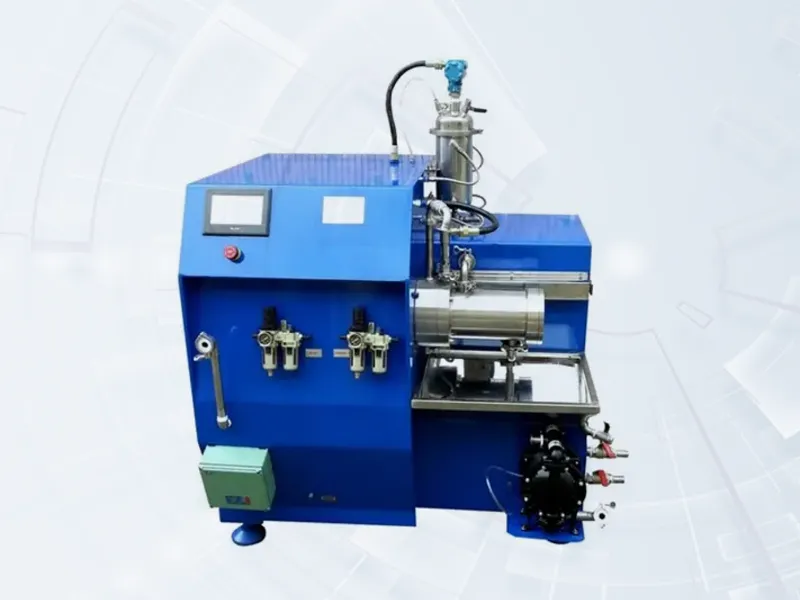
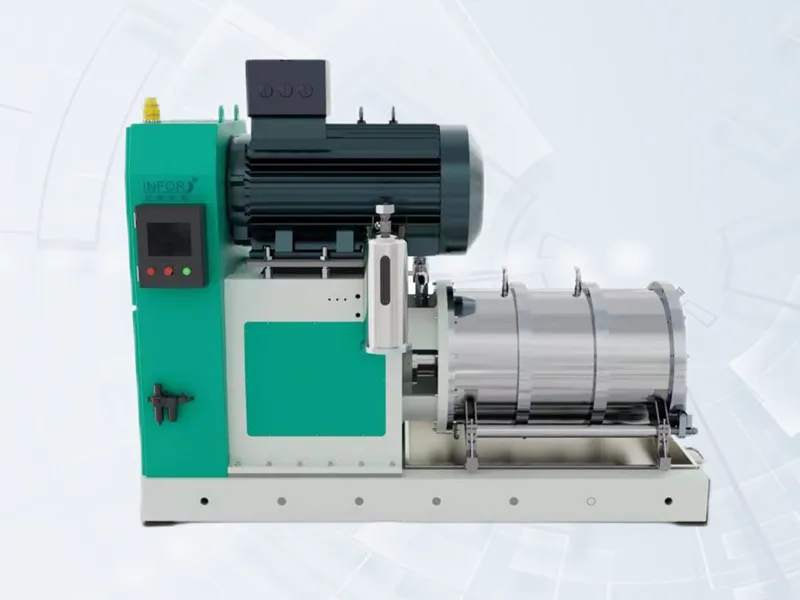
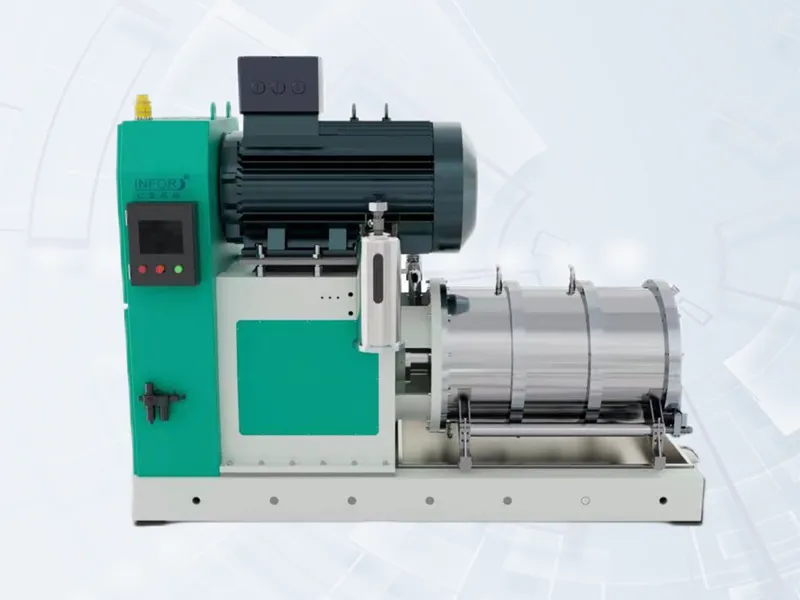
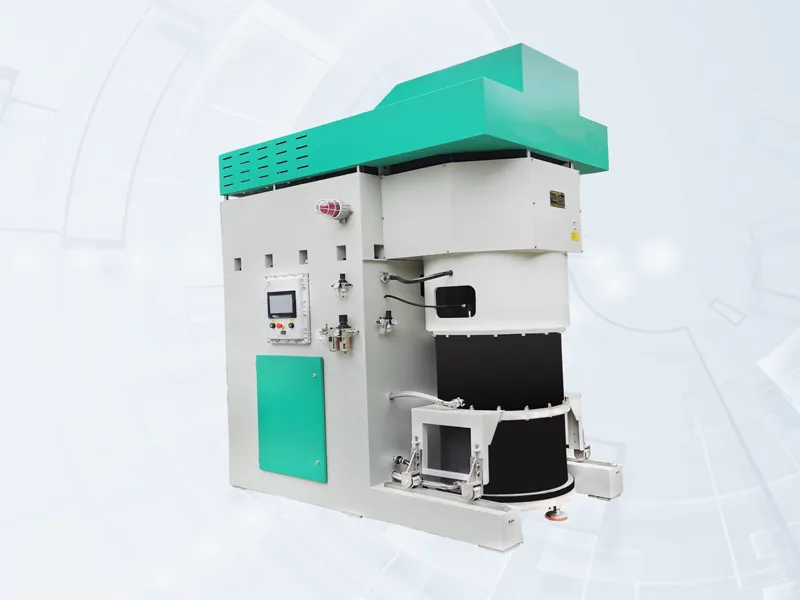
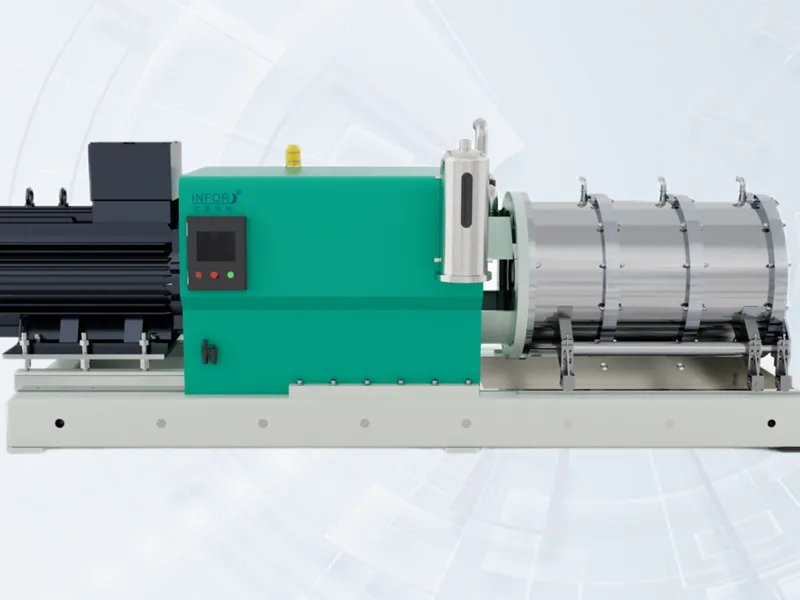
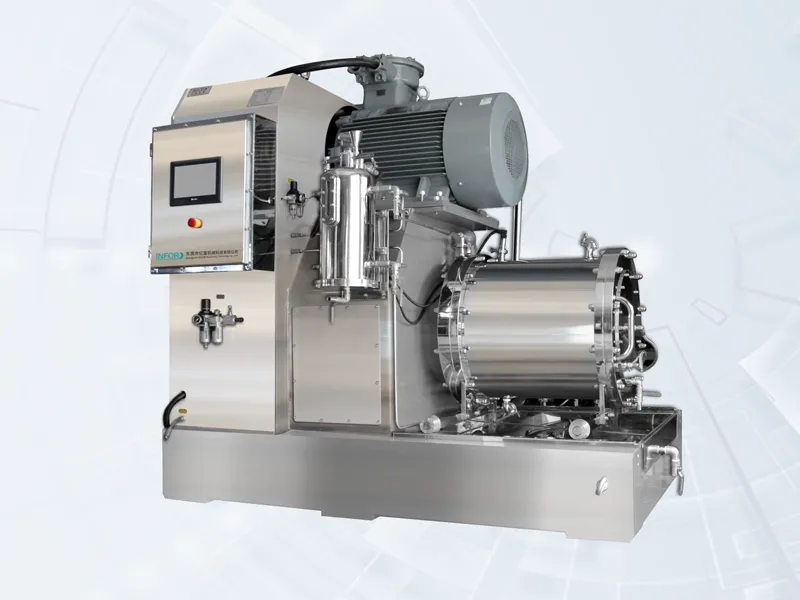
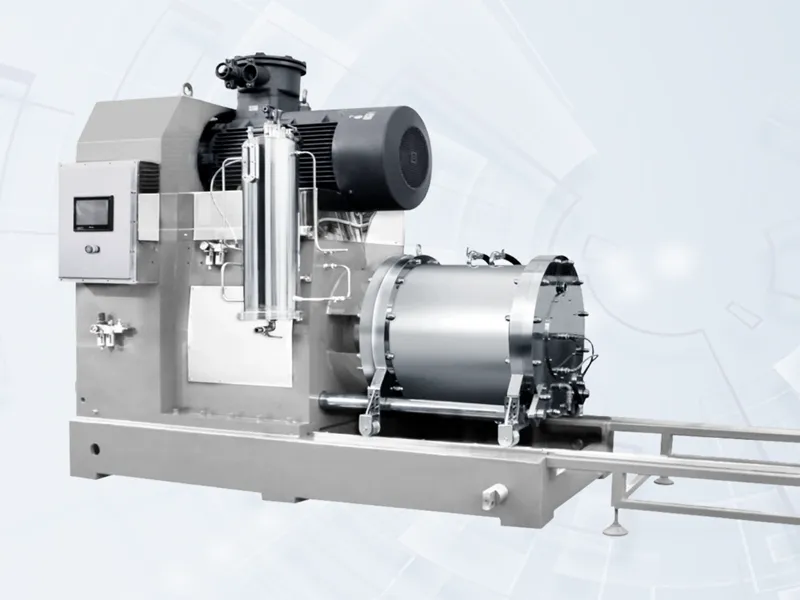
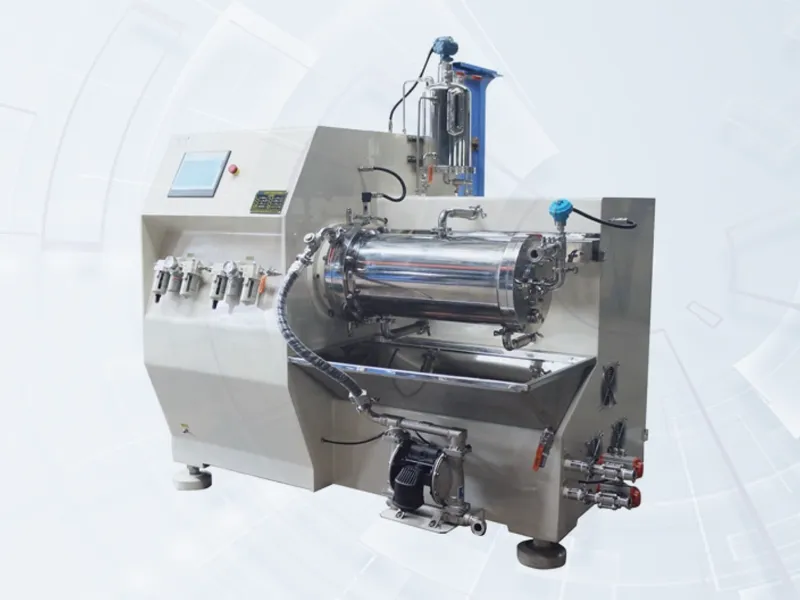
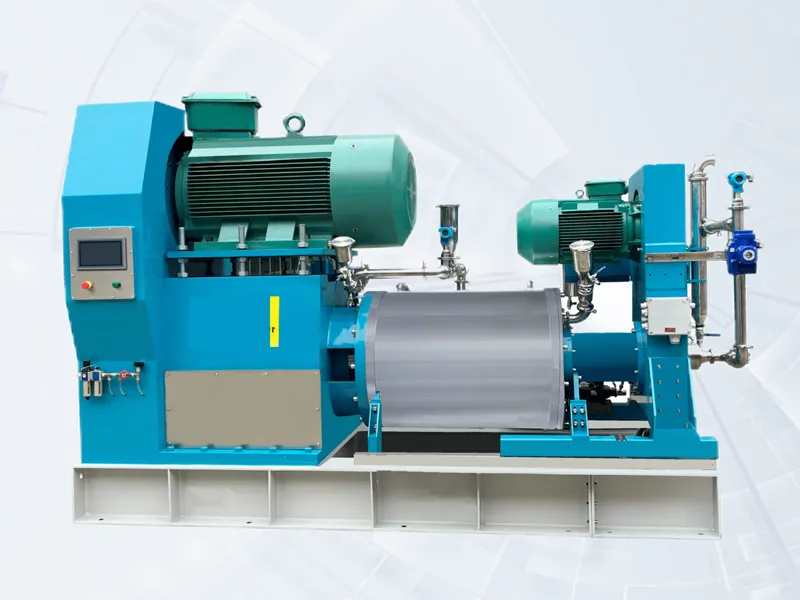
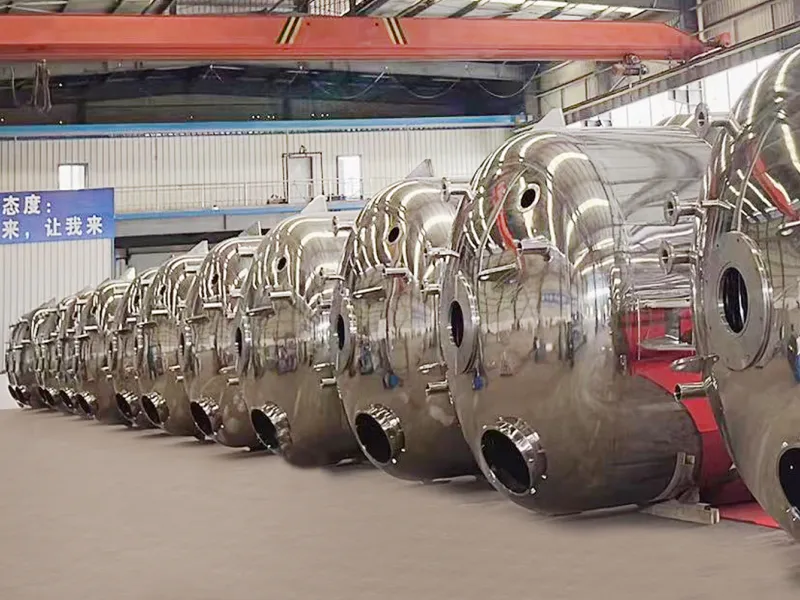
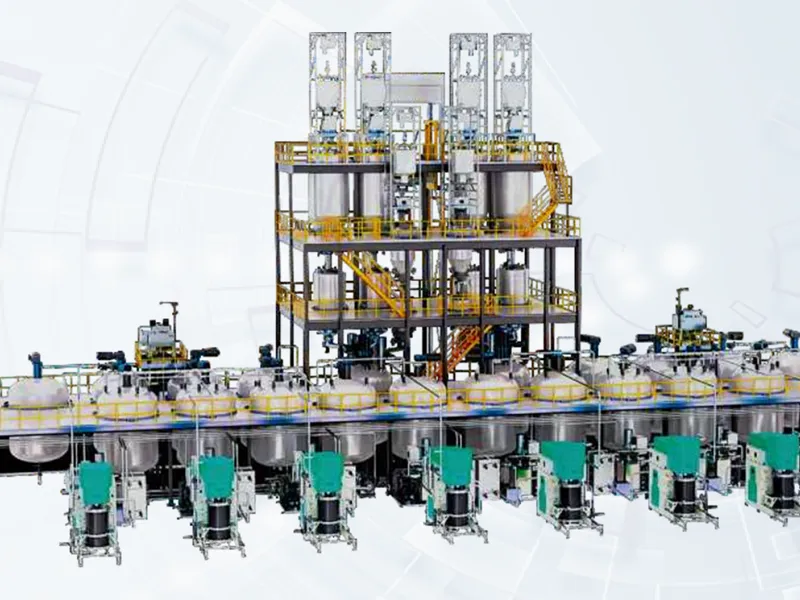

Fine chemicals and high-end mineral processing offer a wide variety of products with high added value. A common characteristic is the ability to significantly enhance product value through deep physical processing that alters the particle properties of materials. Sand mills are the master key to achieving this goal.
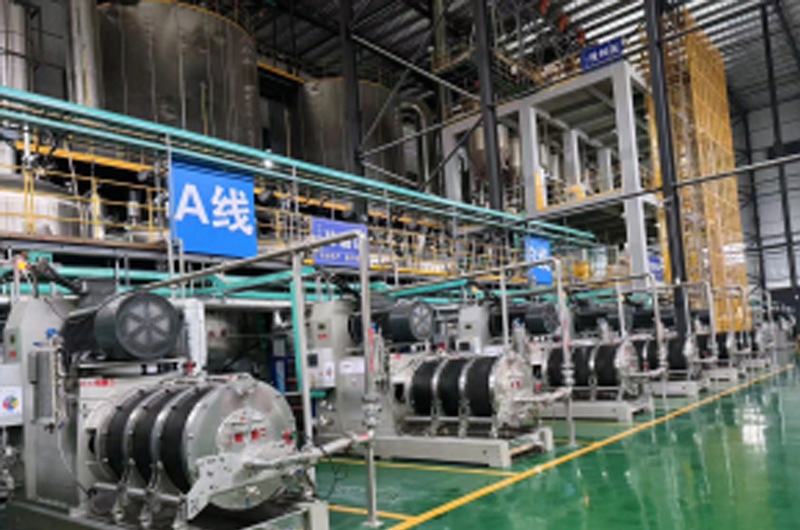
Core Applications:
Preparation of Pesticide Suspension Concentrates and Water-Dispersible Granules: Grinding pesticide technicals to below 2-5 microns to create suspension concentrates (SCs) or granulating them into water-dispersible granules (WGs) significantly improves efficacy, extends shelf life, reduces solvent usage, and is more environmentally friendly and efficient.
Post-Processing of Dyes and Pigments: Many synthetic dyes and pigments suffer from unstable crystal forms and coarse particles. Wet grinding with sand mills stabilizes these crystal forms and achieves ultrafine results, achieving optimal color fastness and tinting strength.
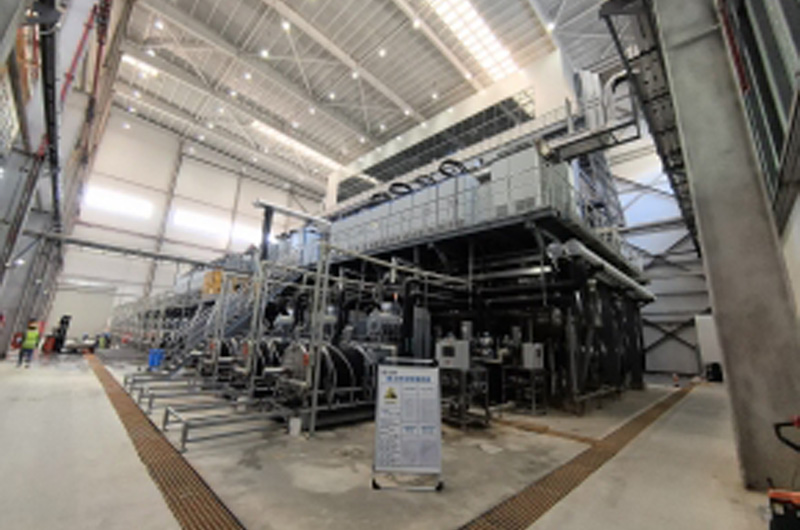
Further Processing of High-Purity Quartz Sand and Rare Earths: High-purity quartz sand used in photovoltaics, semiconductors, and high-frequency communications requires extremely fine, contaminant-free grinding. Rare earth functional materials also require grinding to achieve specific surface activity and particle size requirements for applications such as magnetism and catalysis.
Preparation of new nanomaterials: The industrial production of new materials such as graphene, nano-silica, and nano-alumina relies on the efficient bottom-up physical preparation process of sand mills.
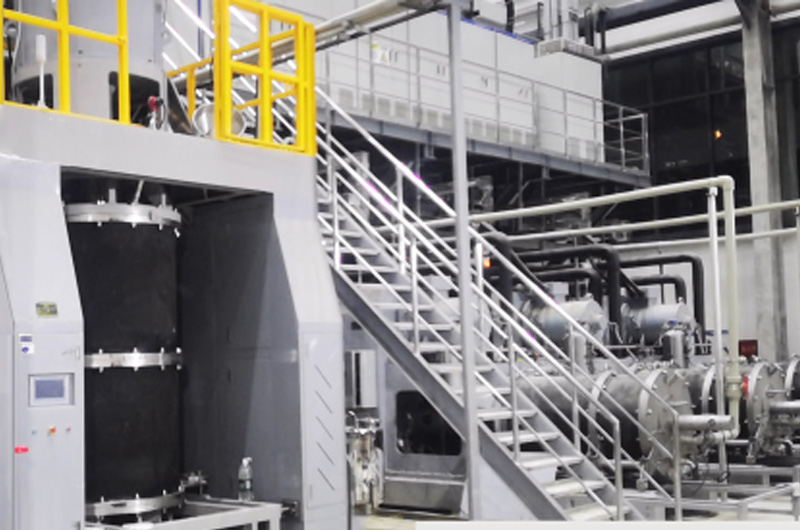
Technical Requirements:
This field has extremely wide applications and requires sand mills with a diverse selection of materials (capable of handling corrosive and high-hardness materials), a comprehensive range of models (from laboratory to large-scale production), extremely high wear resistance, excellent energy control, and easy adjustment and customization to meet process requirements.