
Jan 17, 2026
Company News

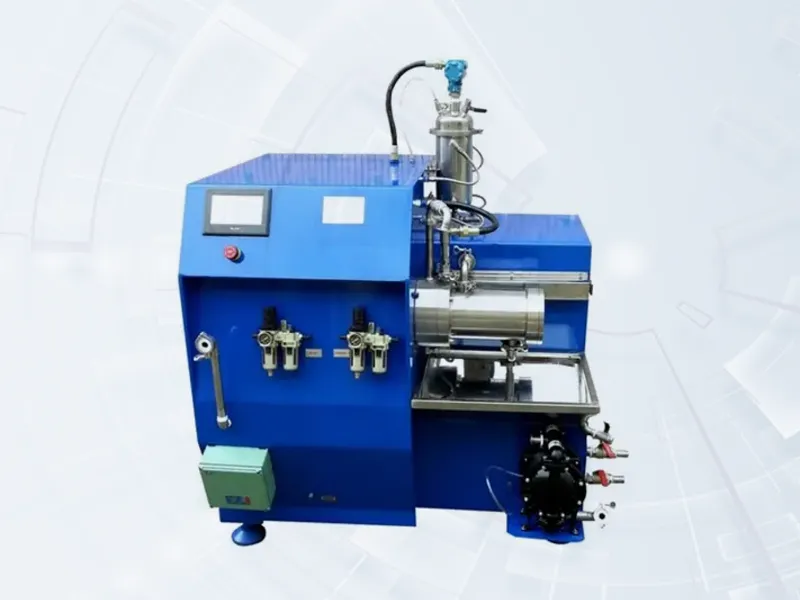
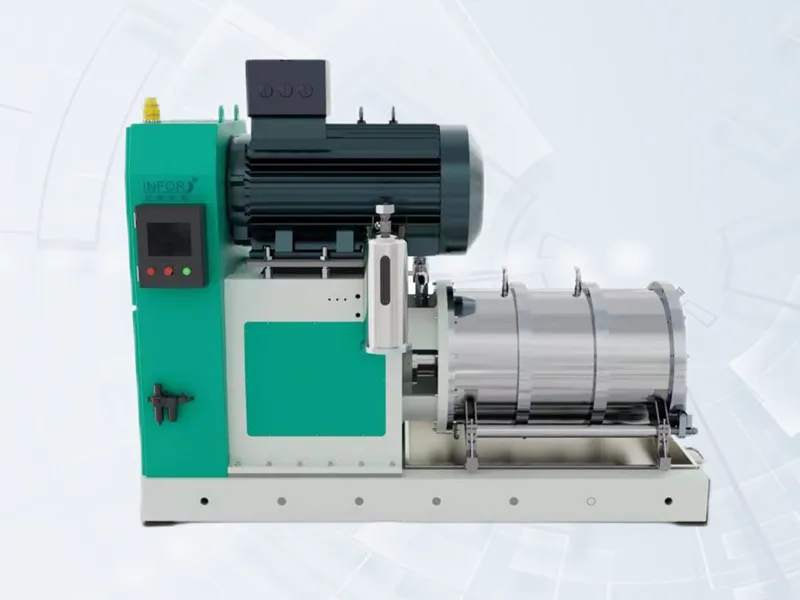
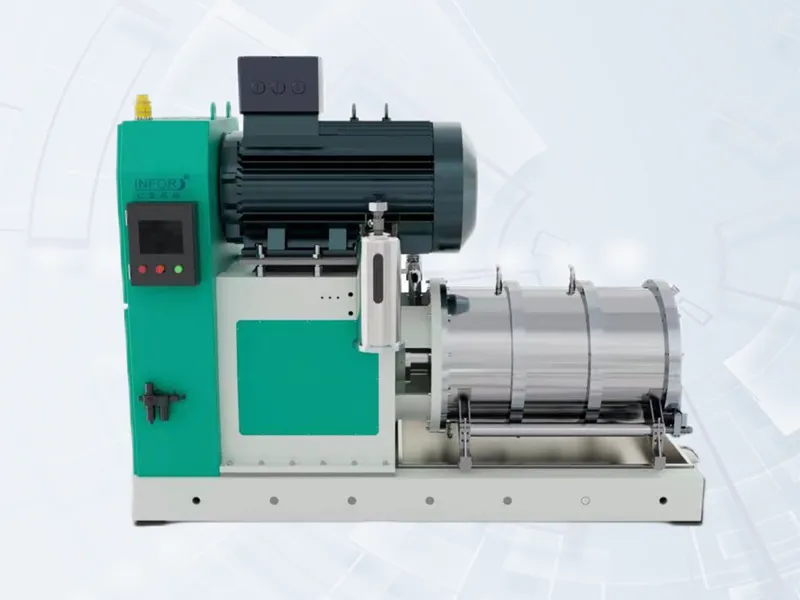
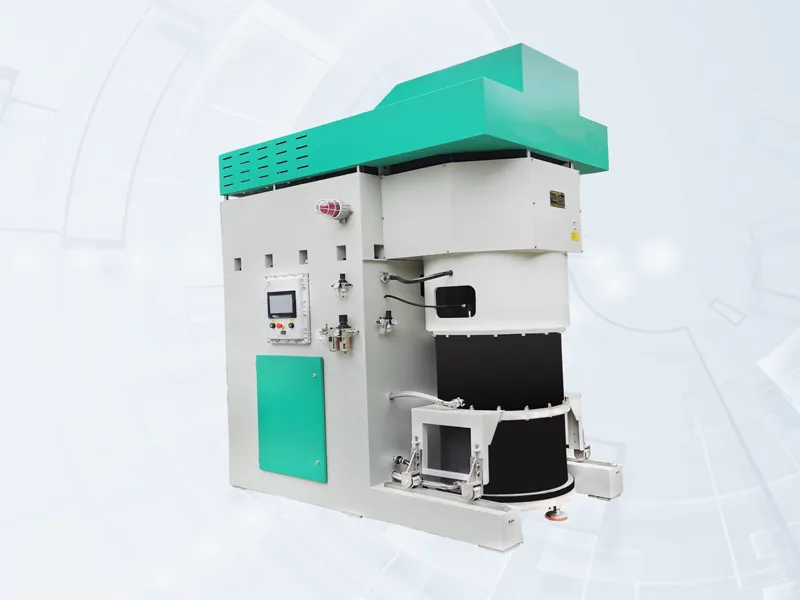
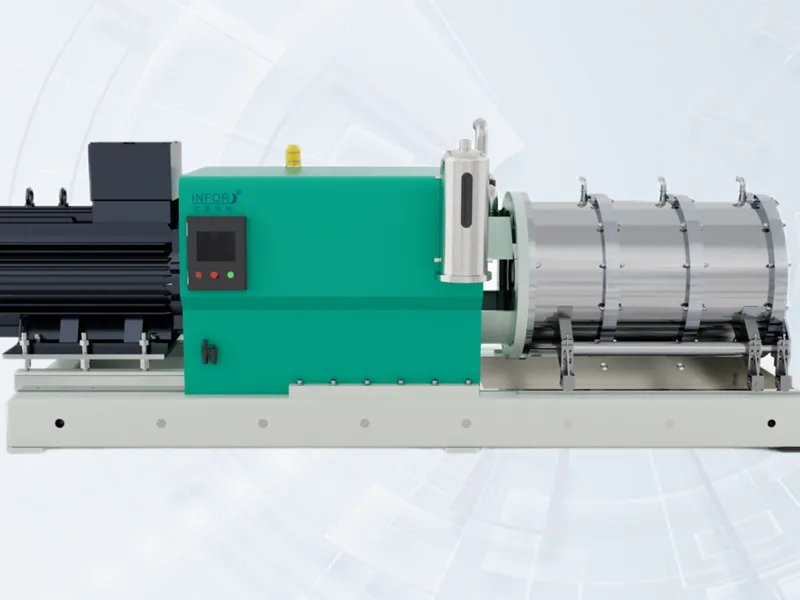
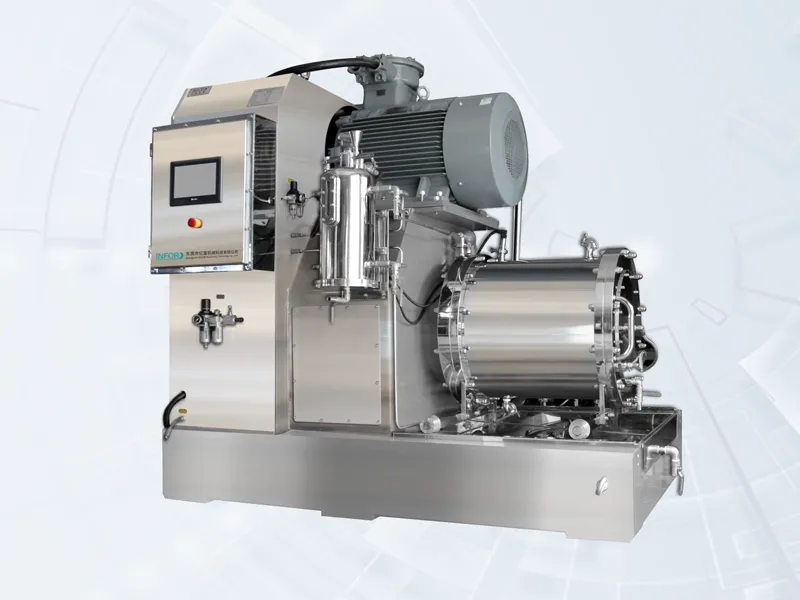
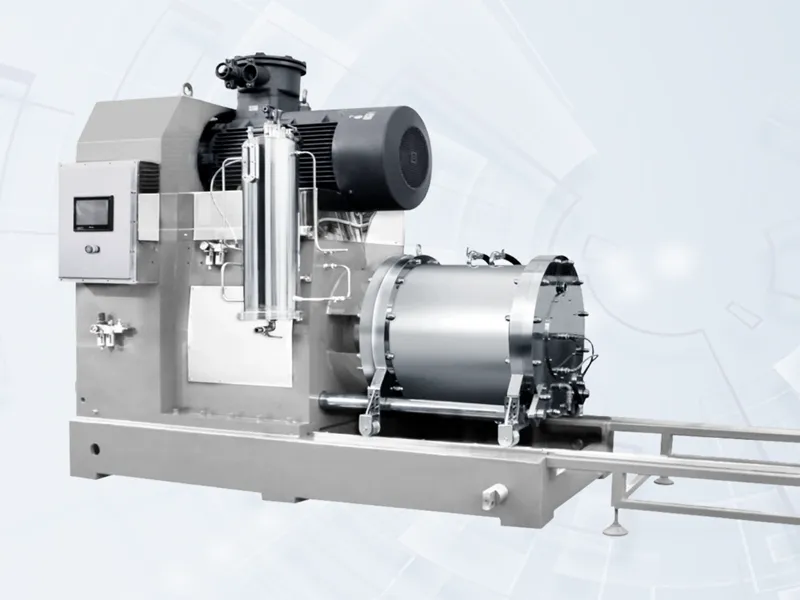
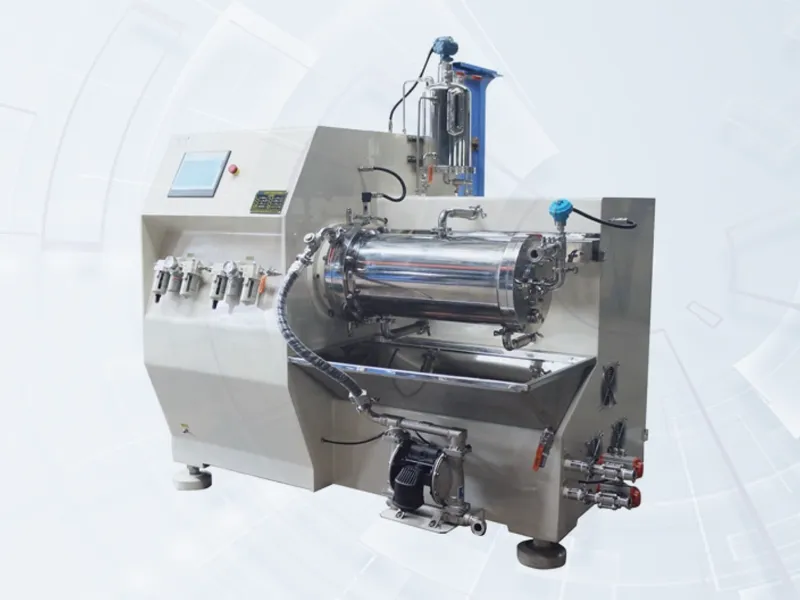
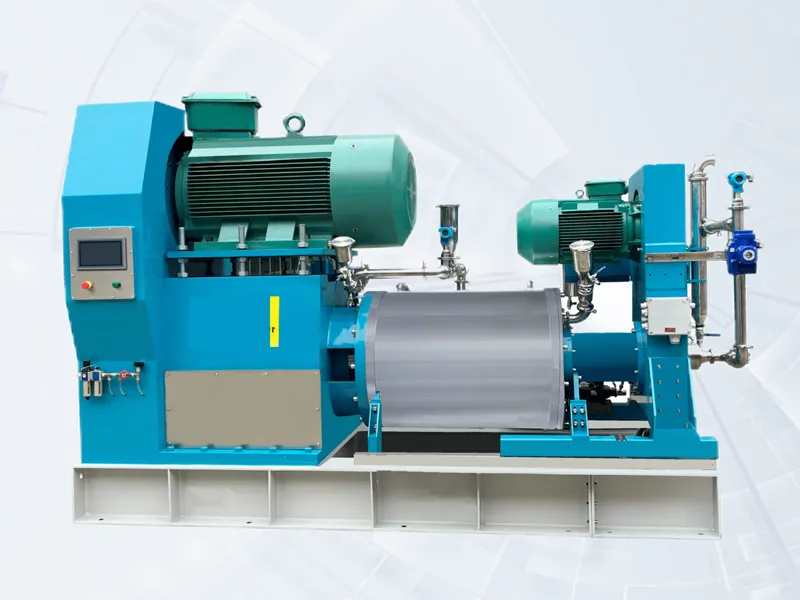
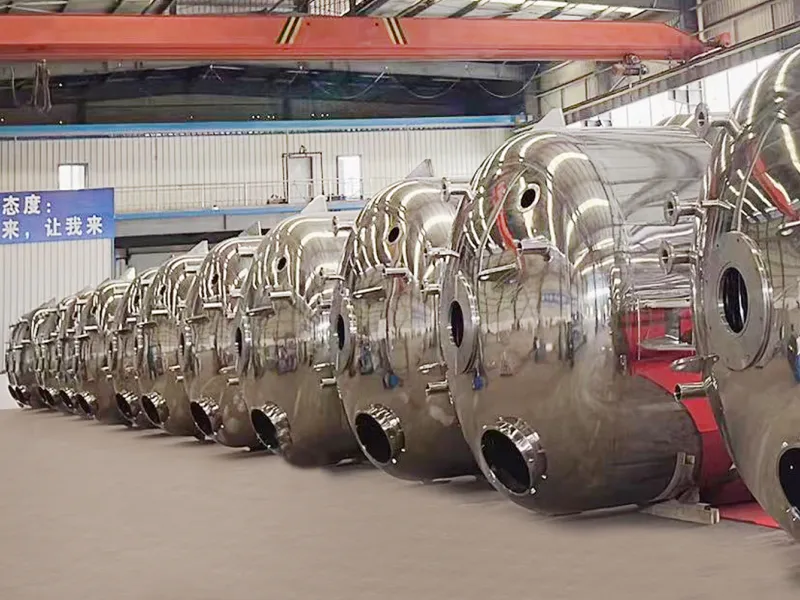
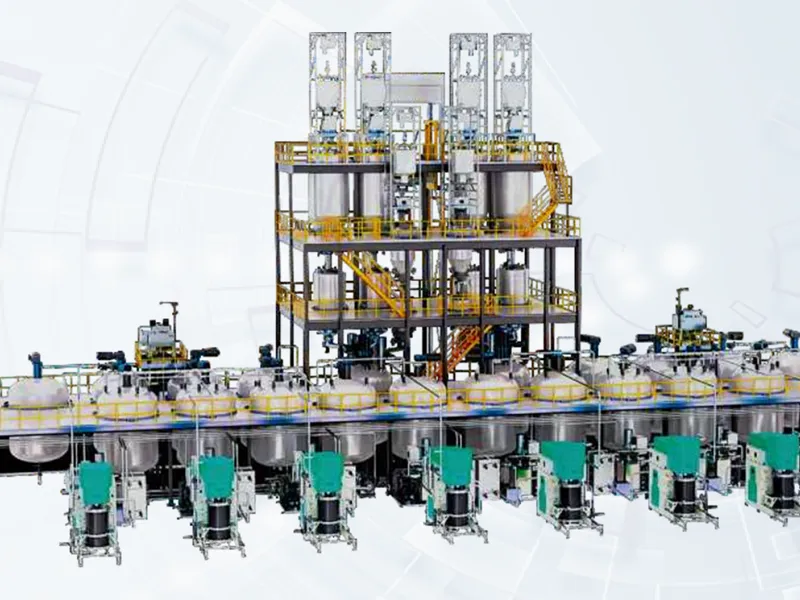

New energy batteries, the "heart" of electric vehicles and energy storage systems, have performance that directly determines driving range, charging speed, and service life. The cornerstone of battery performance lies in the microstructure of its core materials—the positive electrode material, negative electrode material, and conductive paste. Sand mill, also known as nano grinding mill, plays an irreplaceable role as "nano-artists" in this regard.
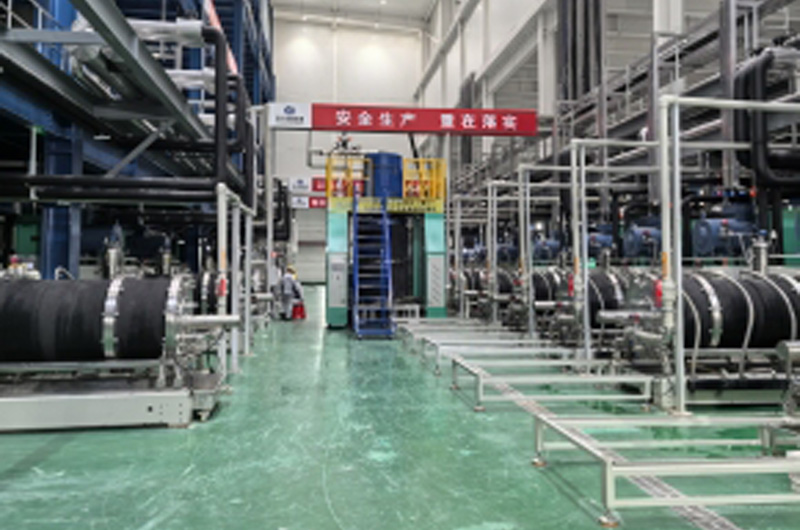
Core Applications:
Ultrafine dispersion and nano-sizing of electrode slurries: Whether it's lithium iron phosphate (LFP), ternary metal monoxide (NMC), or silicon-carbon anodes, the particle size distribution and uniformity of the active material are crucial. Through intense shearing, impact, and grinding provided by a wholesale horizontal sand mill, sand mills efficiently disperse the active material, conductive agent (such as SP, CNT), and binder in a solvent into a uniform, stable nano-slurry. This ensures a uniform conductive network and ion transport channels in the electrode sheet after coating, directly improving the battery's rate capability and energy density.
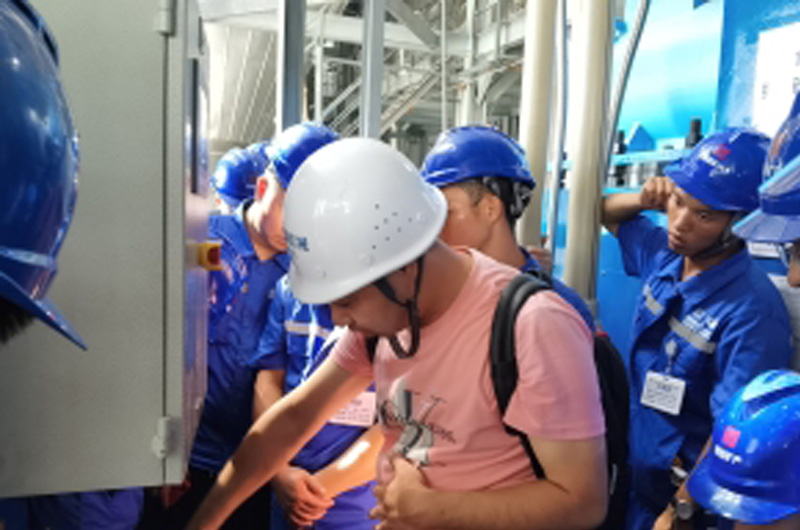
Untangling and Dispersing Conductive Agents Like Carbon Nanotubes (CNTs): CNTs are considered the next generation of conductive agents due to their excellent conductivity, but they are prone to agglomeration. The powerful mechanical force of a dual-power nano sand mill effectively untangles CNTs, allowing them to be evenly dispersed in the slurry as single or small groups, forming a highly efficient three-dimensional conductive network and significantly reducing the battery's internal resistance.
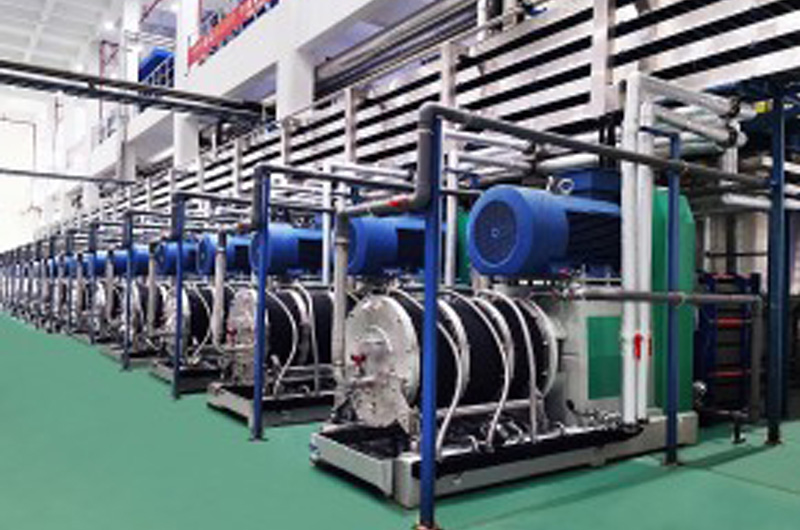
Grinding and Mixing Solid-State Electrolyte Materials: In the development of solid-state batteries, inorganic solid electrolyte materials must be ground to submicron or even nanometer levels and then uniformly mixed with other components. Sand mills, such as the versatile pin disc mill, are key equipment for this process.
Technical Requirements:
The new energy sector places extremely high demands on sand mills: no metal contamination (using materials such as ceramic, polyurethane, or tungsten carbide), high energy density, precise temperature control (to prevent slurry denaturation), excellent sealing and a sealed production environment (water and oxygen proof), and high grinding efficiency. A high-performance sand mill from a reputable sand mill manufacturer is essential for producing high-quality, consistent battery materials. Additionally, integrating a dispersion tank supports effective material handling, while a laboratory sand mill aids in precise R&D testing.
.jpg "8500t-500l-sand-mill-case_(1).jpg")