Dec 20, 2025
Company News

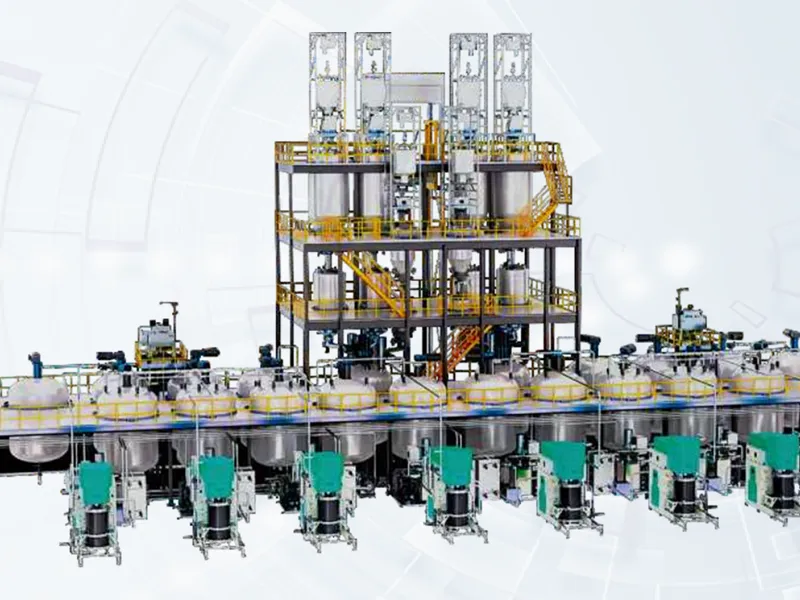

Recently, the energy storage market has witnessed explosive growth, driven by the formation of clear profit models and surging overseas demand. This growth is transmitting tight signals to the upstream raw material sector.
The upbeat sentiment in the energy storage market is mainly attributed to three factors:
First, the continuous advancement of power marketization reforms. With the accelerated construction of the electricity spot market, the peak-valley price difference has gradually widened. Energy storage has achieved considerable economic benefits through the arbitrage model of "storing at low prices and generating at high prices," and the commercialization path has become increasingly clear.
Second, the gradual implementation of policy incentives. Provinces represented by Inner Mongolia and Ningxia have successively introduced capacity electricity price subsidy policies, providing stable and predictable additional returns for energy storage projects. According to industry calculations, the internal rate of return (IRR) of energy storage projects in some regions can reach 15% to 21%, significantly enhancing investment attractiveness.
Third, the continuous pull of overseas market demand. The United States has seen a "rush to import" due to expected tariff policies, coupled with the accelerated global energy transition, forming strong overseas demand and further boosting market prosperity.
The unexpected explosion in downstream demand has quickly transmitted to the midstream and upstream of the industrial chain. Currently, links such as battery cells, copper foil/aluminum foil, structural components, and electrolyte are generally operating at full capacity. To lock in next year's capacity in advance, many battery enterprises have begun signing long-term agreements with upstream suppliers, indicating that raw material demand is about to surge.
According to industry research data, producing 100GWh of energy storage batteries requires approximately 160,000 tons of aluminum, 65,000-70,000 tons of lithium carbonate, and 60,000 tons of copper. Based on this calculation: if the energy storage market maintains a neutral growth rate of 50% next year, the demand for related raw materials will rise significantly; if the growth rate reaches a more optimistic 80%, some raw materials may face direct supply shortages.
Among various raw materials, the supply tightness of electrolytic aluminum is the most evident, with the core contradiction lying in production capacity ceilings and power constraints:
Domestic production capacity has reached its upper limit. The electrolytic aluminum industry implements strict total capacity control, and no new capacity can be added.
Overseas expansion is also hindered. Although enterprises have shifted to building factories in resource-rich regions such as Indonesia, they face a fundamental constraint—power shortages. Since China has pledged not to build new coal-fired power projects overseas, enterprises need to rely on local partners to solve power supply issues, resulting in a supporting power station construction cycle of 18-24 months, which is much slower than the construction progress of electrolytic aluminum production lines. Therefore, a large number of planned production capacities are difficult to convert into actual output, and the capacity that can be released between 2026 and 2027 is expected to be very limited.
Overall, the energy storage market has entered a high-growth stage driven by real profit models and sustained demand. Even if the intensity of policy subsidies varies across provinces in the future, projects can still maintain a benchmark return of approximately 10%, supporting the sustainable development of the industry. This strong demand is transmitting upstream level by level: electrolytic aluminum is expected to enter a period of certain shortage next year, the supply-demand pattern of copper will tend to be tight, and the balance of lithium carbonate will highly depend on whether the energy storage market growth rate breaks through the key threshold of 50%.
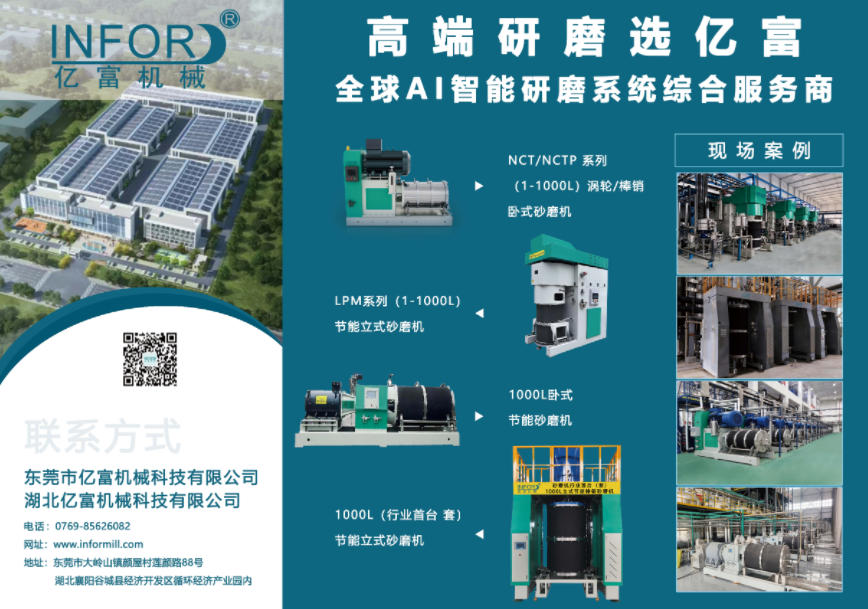
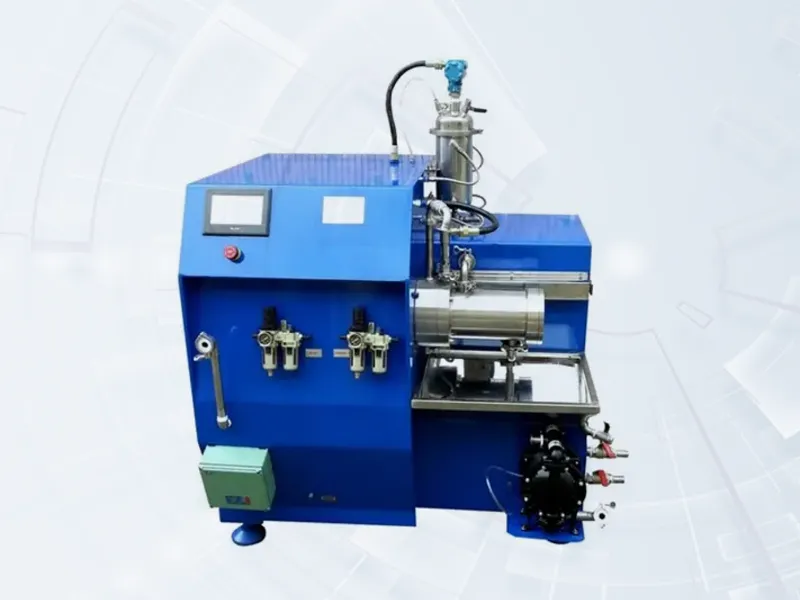
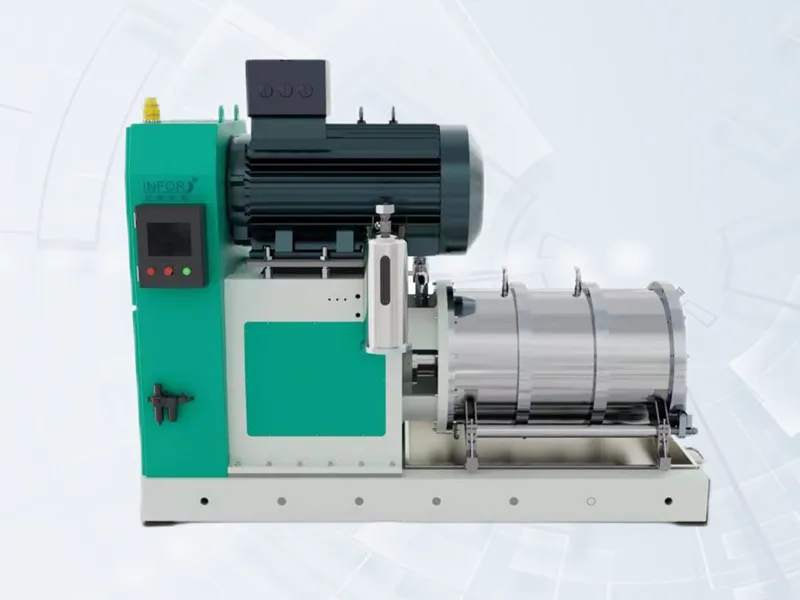
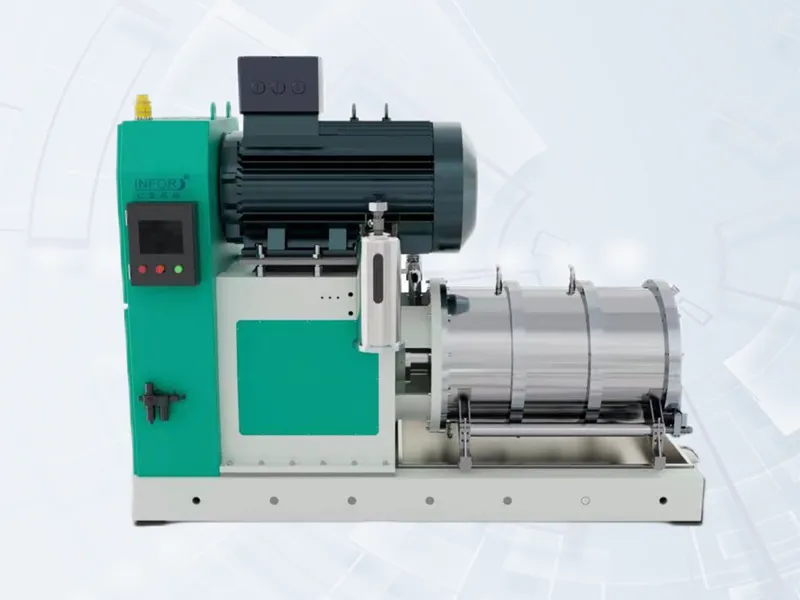
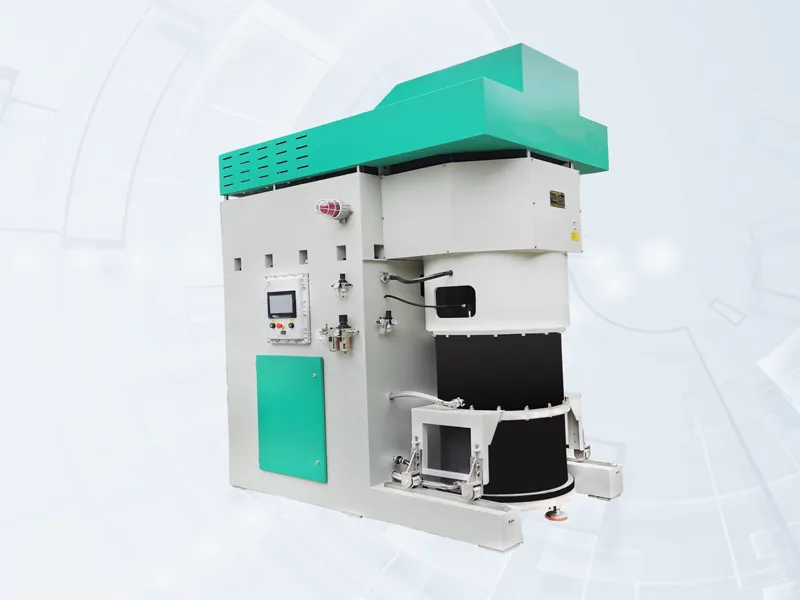
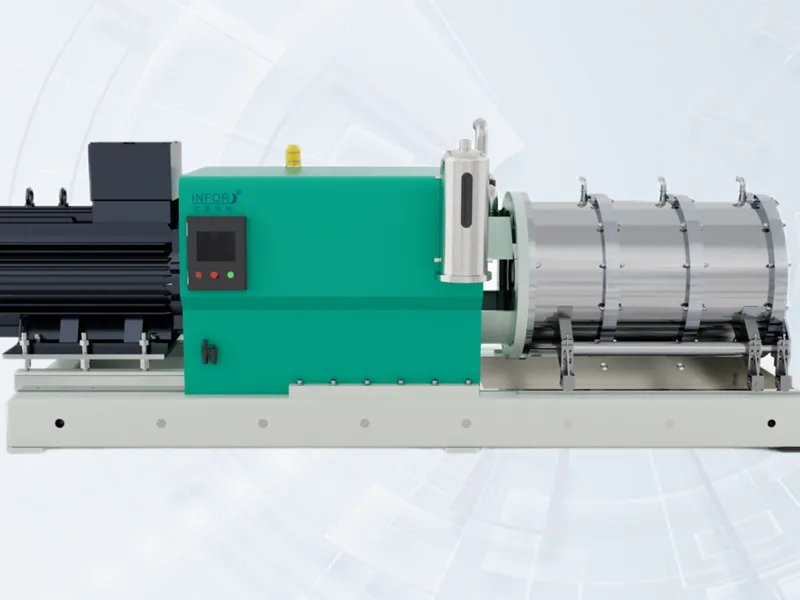
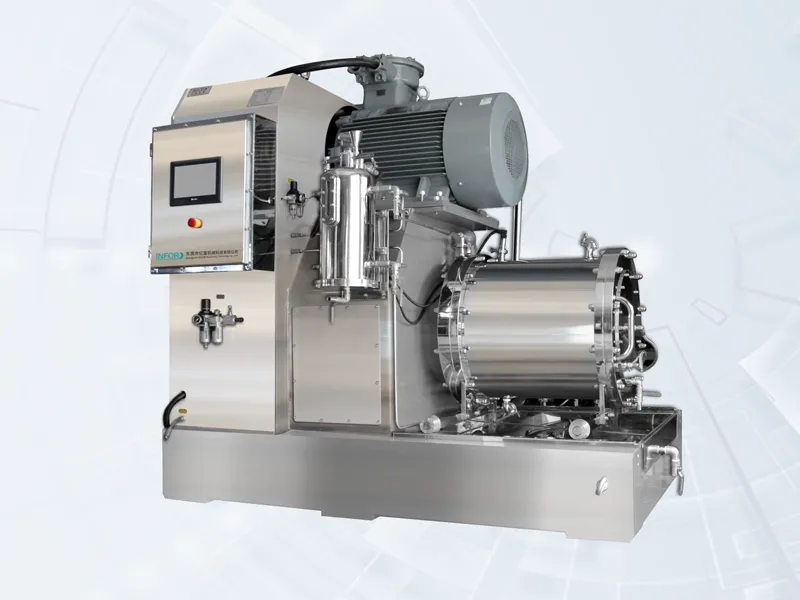
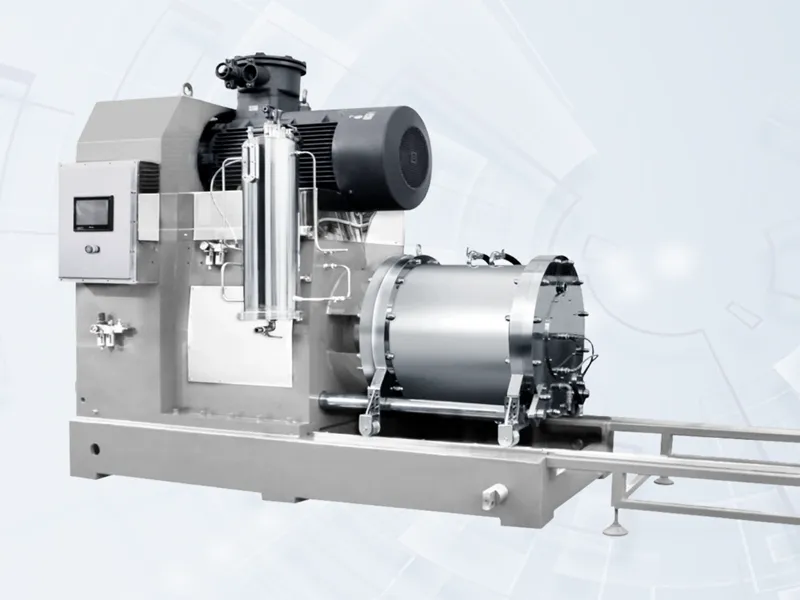
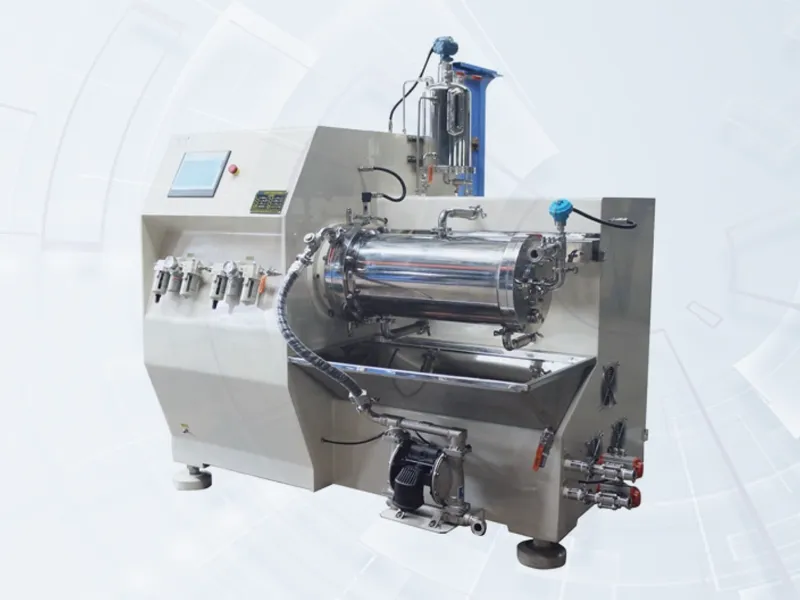
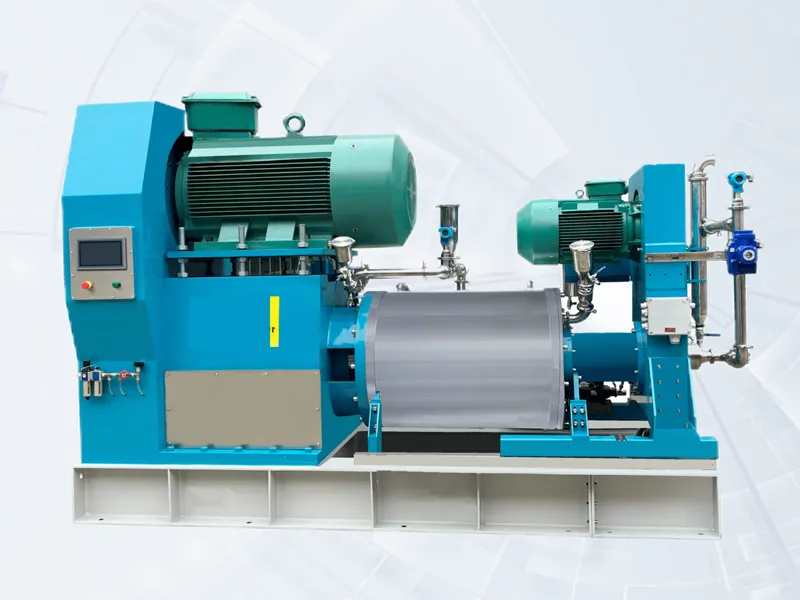
Against this background, the capacity layout of the entire industrial chain and the guaranteed supply of raw materials have become the focus of the industry. Notably, the rapid development of the energy storage market has also linked key battery material industries including lithium iron phosphate, and the demand for related material preparation equipment (such as vertical sand mills) has increased accordingly. For enterprises planning to deploy or expand related capacities, seizing the current opportunity and ensuring supply chain stability is particularly crucial.