Aug 19, 2026
Blog

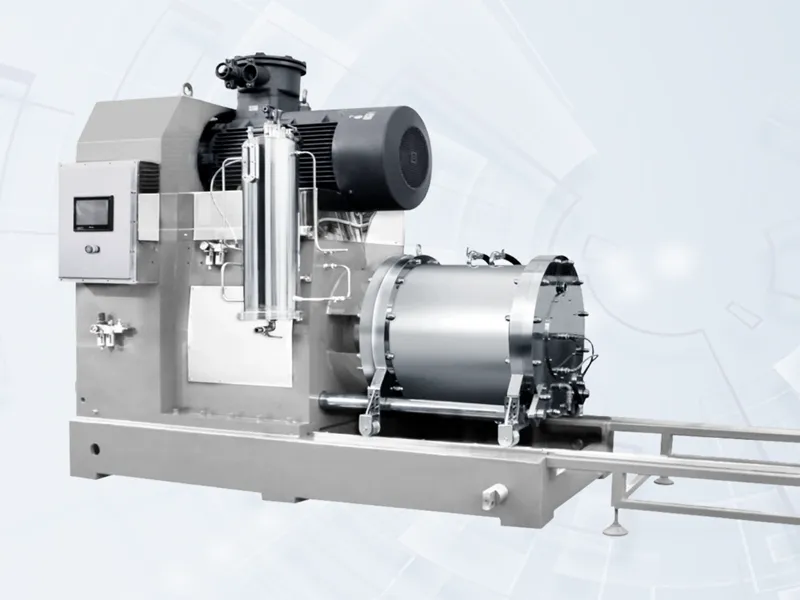
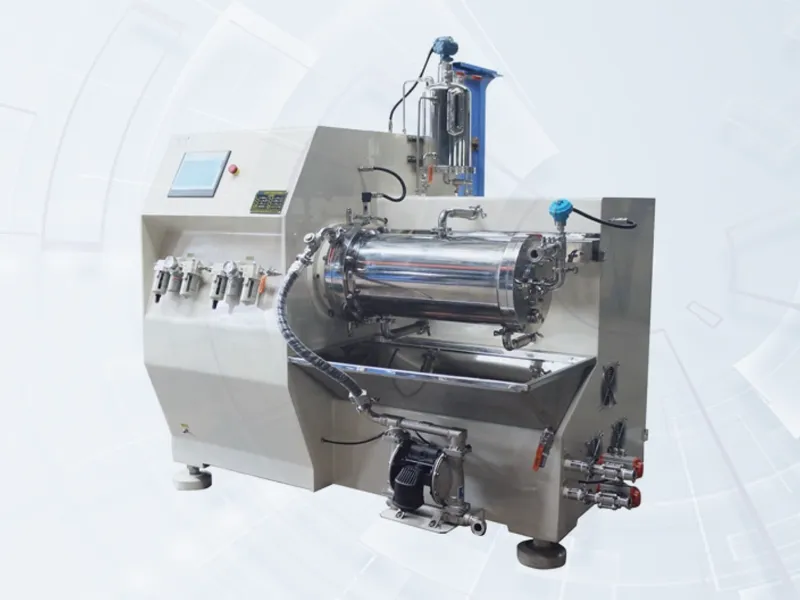
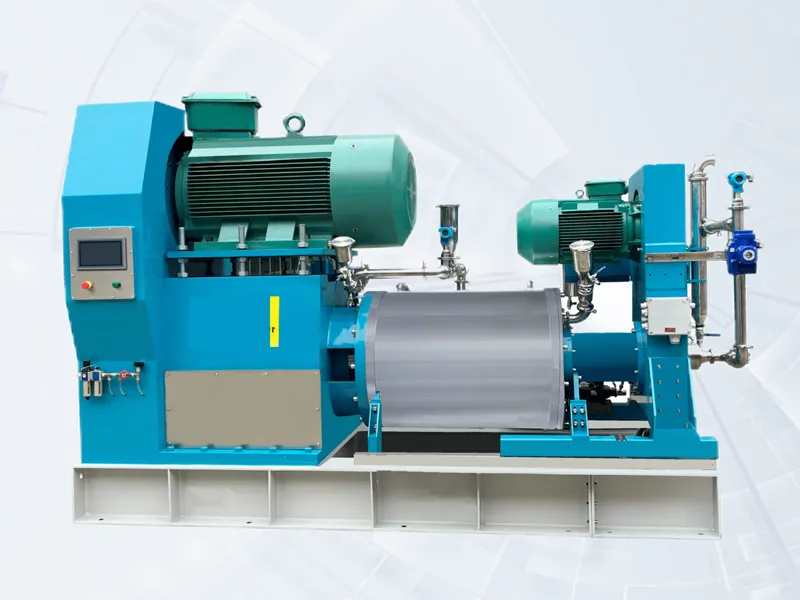
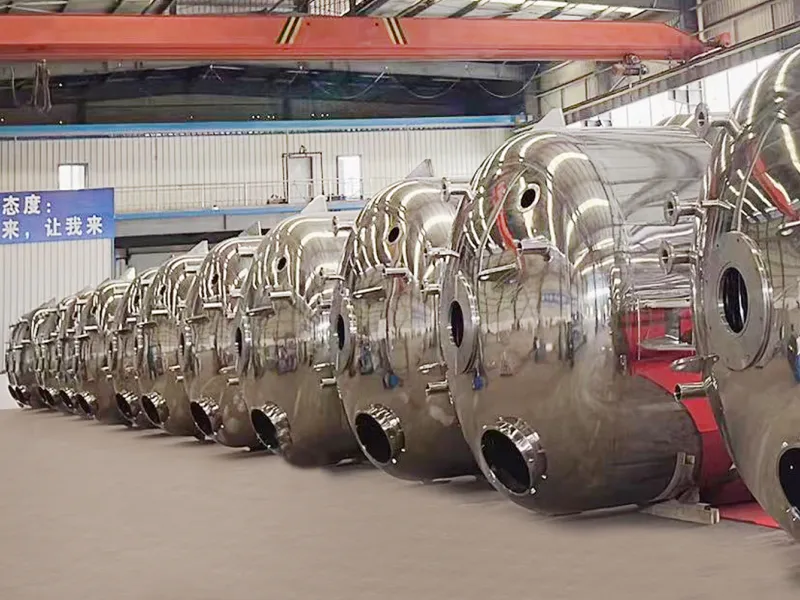
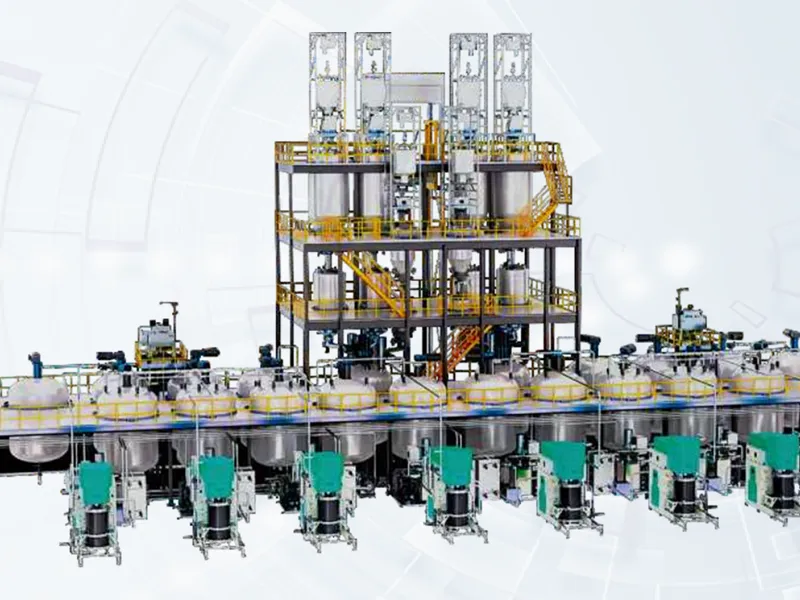

In recent years, China’s lithium-ion new energy industry has achieved leapfrog development—from catching up to taking the lead globally. Covering upstream mineral resource extraction, midstream cell manufacturing and battery packaging, and downstream electric vehicle and energy storage applications, China has built the world’s most complete and large-scale lithium battery industrial chain. However, with intensifying domestic competition and gradually saturated production capacity, a growing number of lithium battery enterprises are turning their attention to overseas markets. This is not only an inevitable choice for industrial development but also a strategic opportunity for Chinese companies to move up the global value chain.
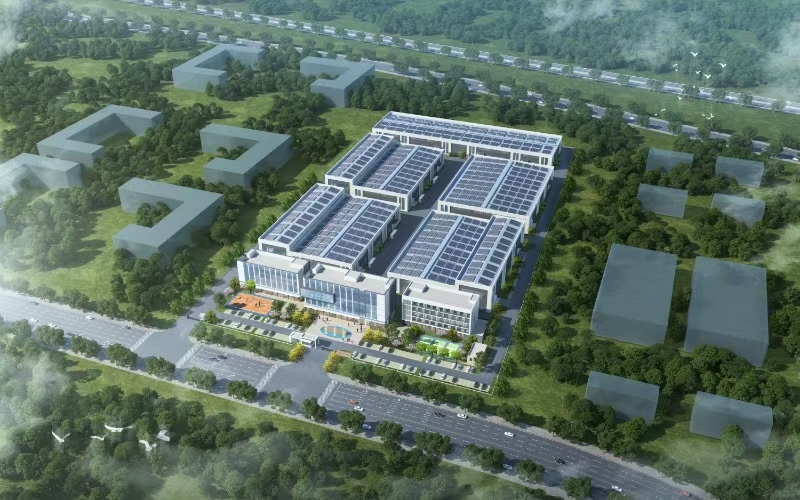
Over the past decade, driven by both policy support and market demand, China’s lithium battery industry has experienced explosive growth. From power batteries to energy storage batteries, production capacity once expanded faster than market demand. Today, the domestic lithium battery market has entered a stage of stock competition, marked by frequent price wars and shrinking profit margins. In bidding processes, dozens of enterprises compete for a single project, with the lowest bidder almost always winning. Long payment cycles, difficult collection, and technological homogenization have left enterprises struggling to cope.
This is not unique to a single segment but a common growing pain as the entire industry matures. When supply far outstrips demand and products become increasingly homogeneous, relying solely on the domestic market can no longer support sustainable corporate growth. Breaking through to overseas markets has become a shared strategic direction for both industry leaders and small-to-medium manufacturers.
Globally, the overseas market for lithium-ion new energy remains a vast blue ocean.
First, developed markets such as Europe and the United States. With the advancement of carbon neutrality goals, the EU and the U.S. have successively introduced policies to encourage the development of electric vehicles and energy storage. Europe’s Carbon Border Adjustment Mechanism (CBAM) and the U.S. Inflation Reduction Act (IRA) are accelerating the energy transition in local markets. Nevertheless, local lithium battery production capacity in Europe and the U.S. lags significantly, making it hard to shake off dependence on Chinese supply chains in the short term. This creates a valuable window of opportunity for Chinese lithium battery enterprises.
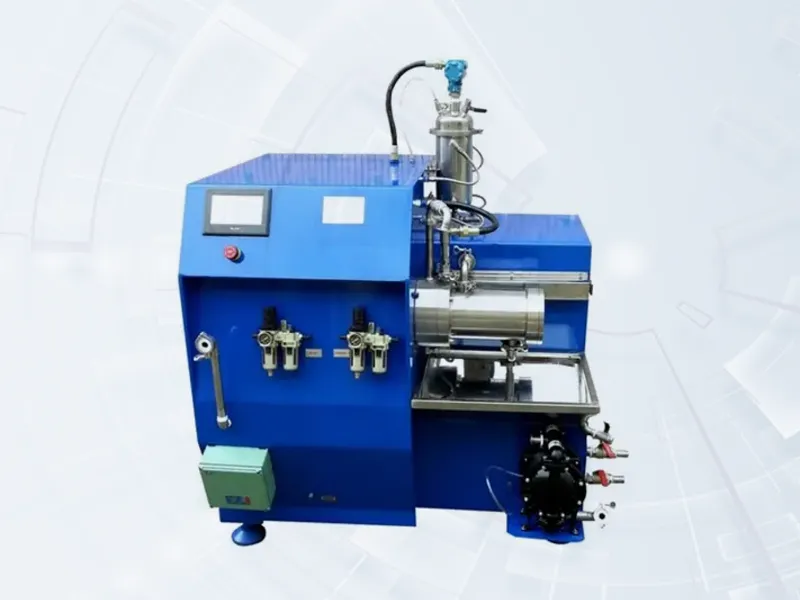
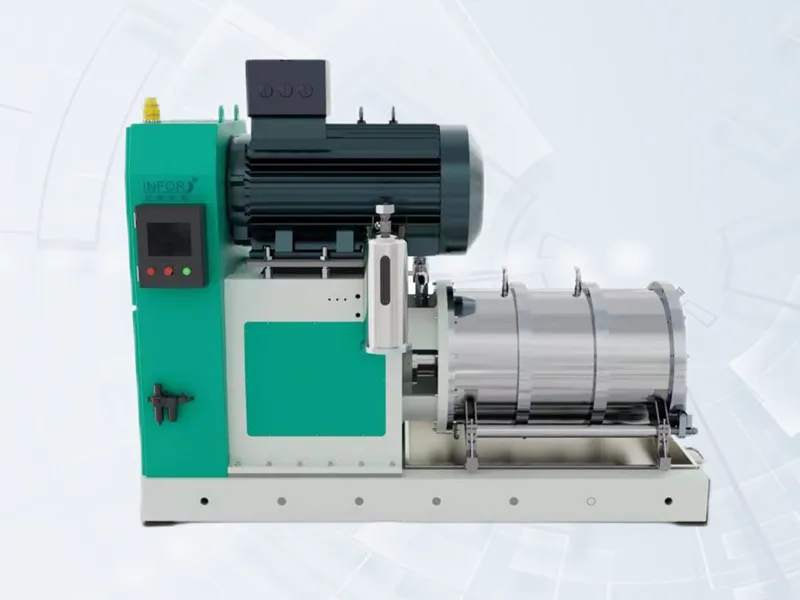
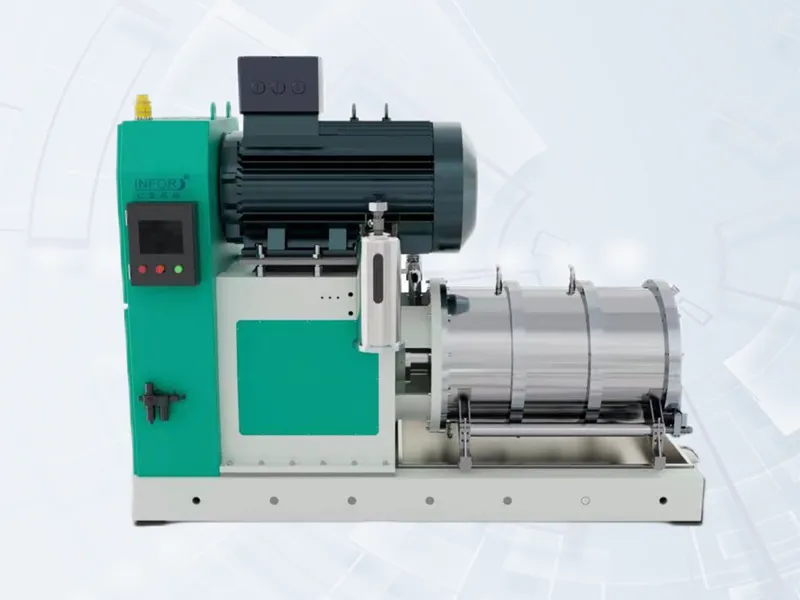
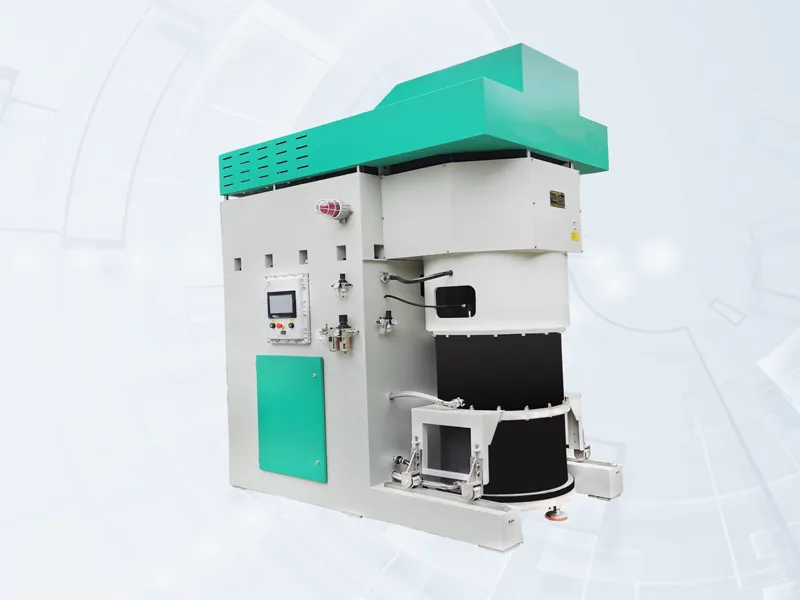
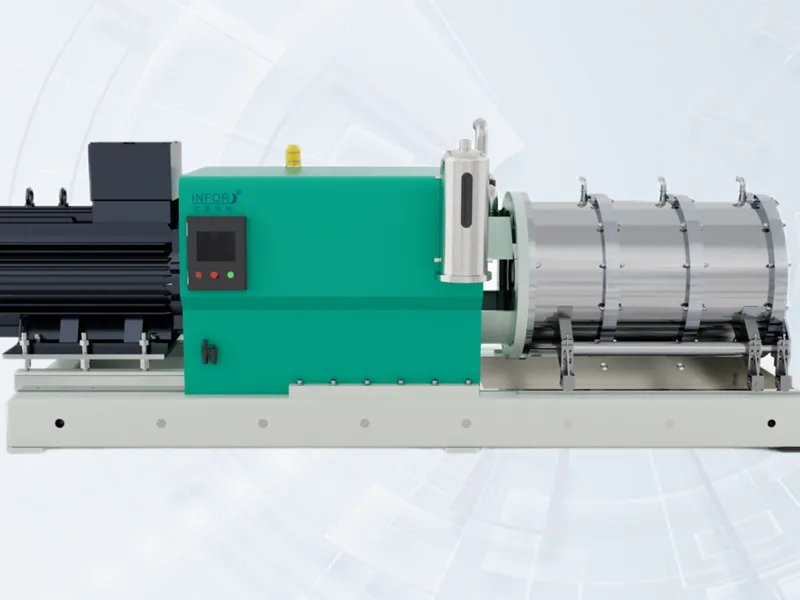
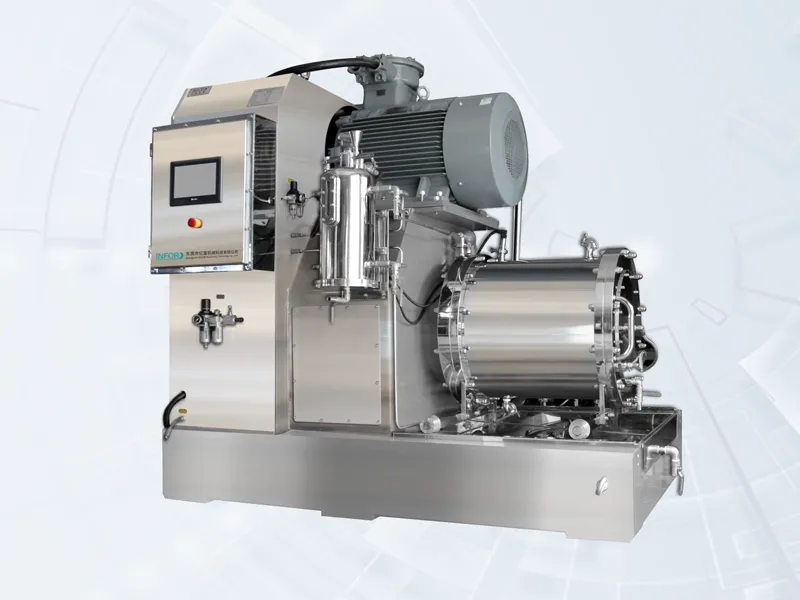
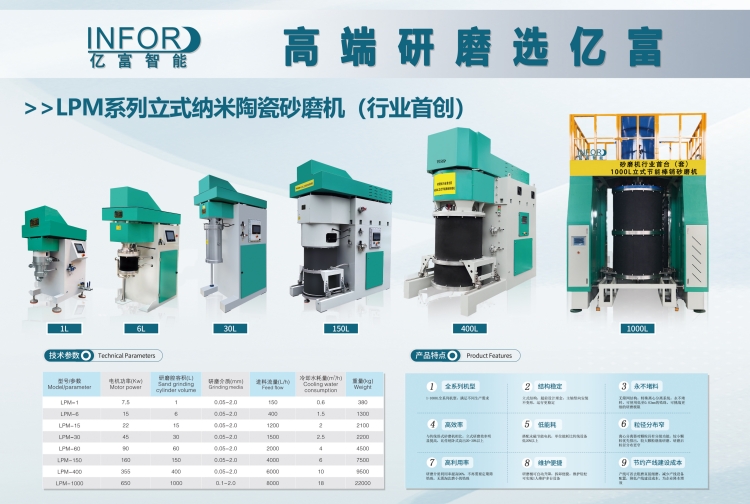
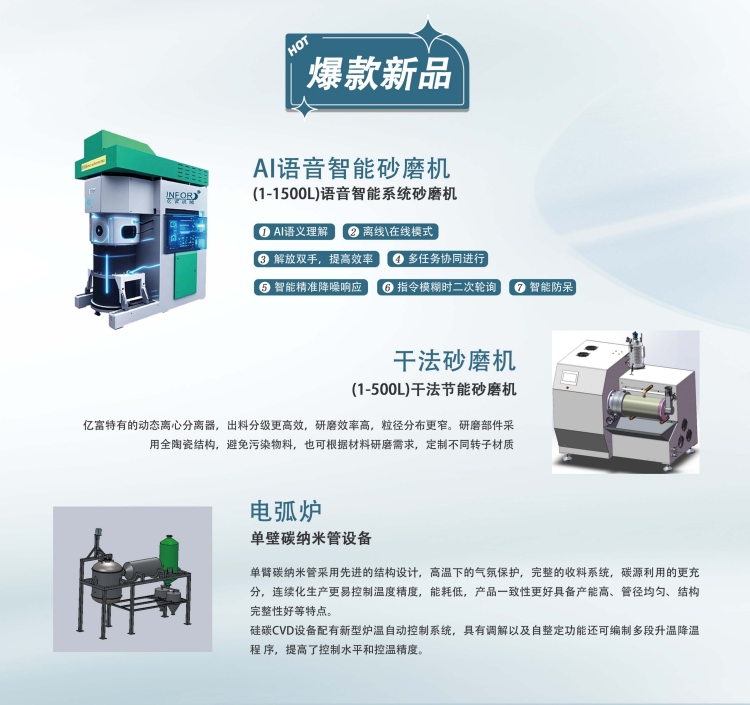
Second, emerging markets including Southeast Asia, the Middle East, and Africa. These regions are in the early stages of energy structure transformation, with extremely low electrification penetration and nascent energy storage infrastructure. For Chinese enterprises with rich domestic experience, these markets are largely untapped. Local customers have urgent demand for lithium batteries, and Chinese enterprises with advanced grinding technology, especially those using high-performance vertical sand mill and carbon nanotube slurry processing equipment, will gain stronger competitiveness in overseas markets.
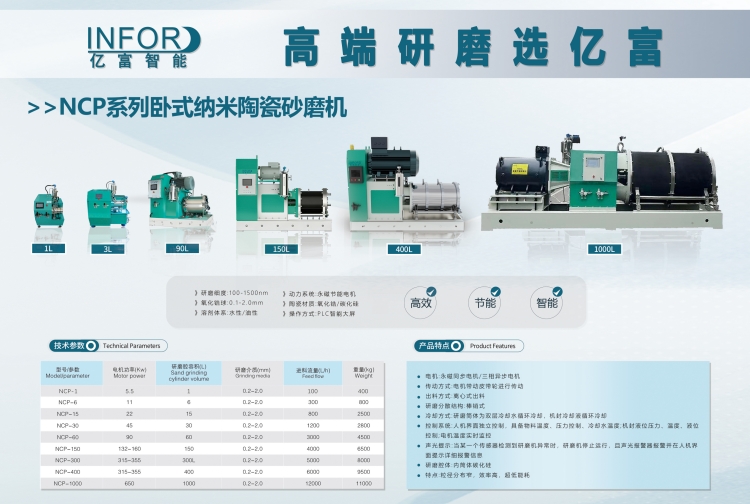
More importantly, overseas markets prioritize product quality, technical solutions, and comprehensive service capabilities over pure price competition. The price-based competition common in China is neither practical nor necessary abroad. Enterprises compete on their ability to solve real customer problems and provide dependable technical support and after-sales service. This value-based business logic returns enterprises to their essential nature: with technological barriers, brand premium, and reasonable profit margins.
Looking ahead, the overseas lithium-ion new energy market will show several clear trends.
First, a shift from product exports to capacity globalization. In the early stage, Chinese enterprises mainly participated in overseas markets by exporting cells and battery packs. Today, more leading enterprises are establishing overseas production bases to realize localized manufacturing. This is not only a passive choice to avoid trade barriers but also an active strategy to deeply integrate into the global industrial chain.
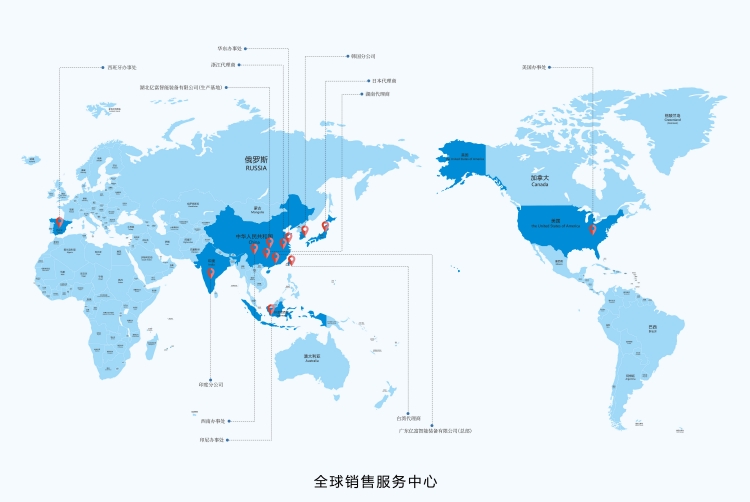
Third, a shift from price competition to brand competition. As the penetration rate of Chinese lithium battery products rises overseas, brand awareness and customer trust have become new competitive focal points. Enterprises that consistently deliver high-quality products and build strong reputations will gradually move beyond the low-price label and embrace brand premium.
For Chinese lithium battery enterprises, going global is not an option but a necessity. Intensified domestic competition forces enterprises to seek incremental growth abroad, while the vast space and rational competitive environment of overseas markets offer a stage for technically competent and experienced enterprises.
Of course, the path to globalization is not smooth. Cultural differences, policy barriers, localized operations, and supply chain management are all hurdles to overcome. Yet, as with any industrial growth process, challenges and opportunities always coexist. Enterprises that dare to go global and excel at localizing operations will secure their place in the global tide of lithium-ion new energy.
In an increasingly competitive era, finding new growth avenues is a shared mission for all enterprises. For the lithium-ion new energy industry, the answer is clear: go global and embrace the world.