Dec 25, 2025
Company News

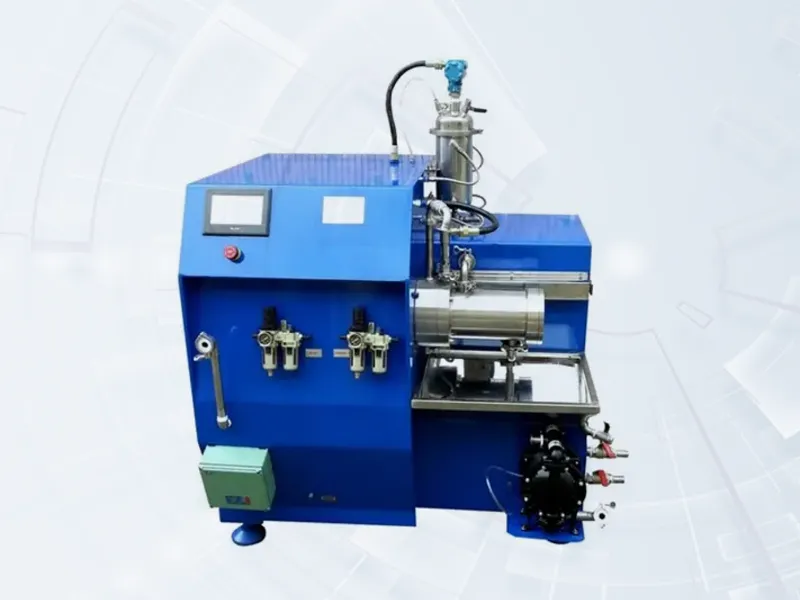
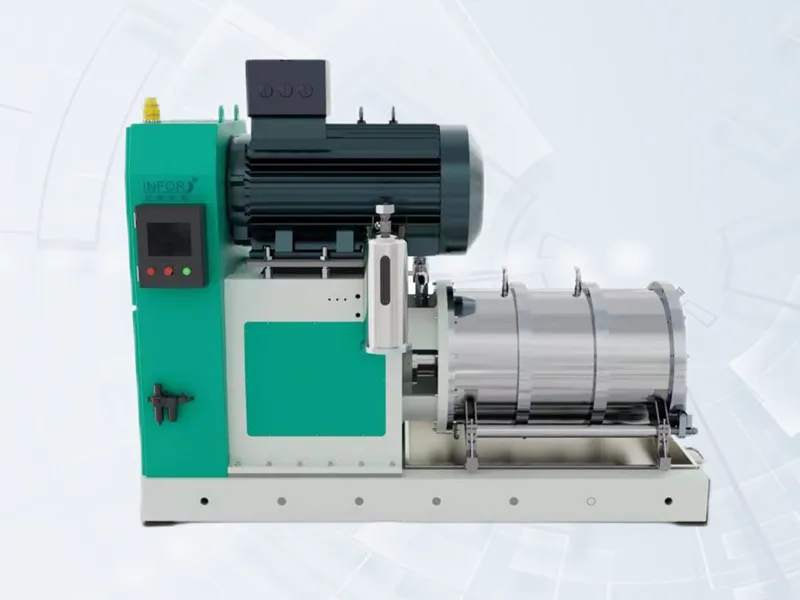
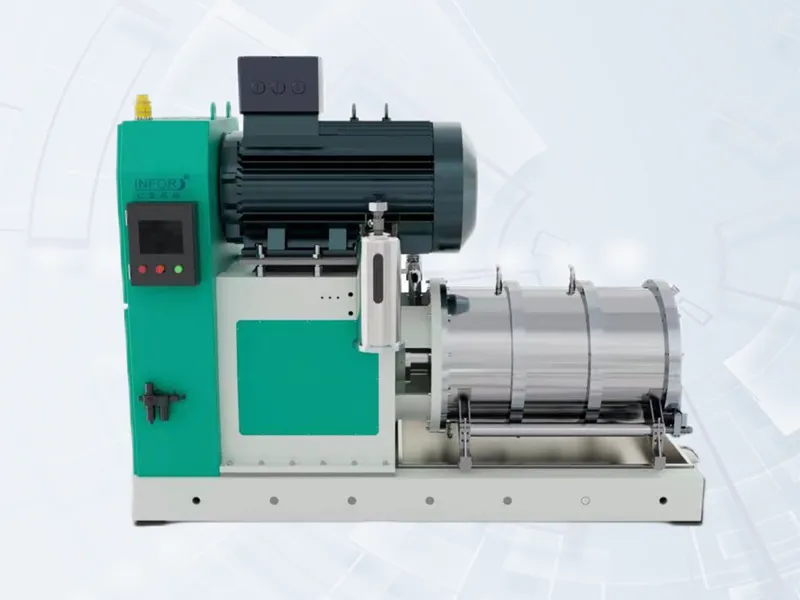
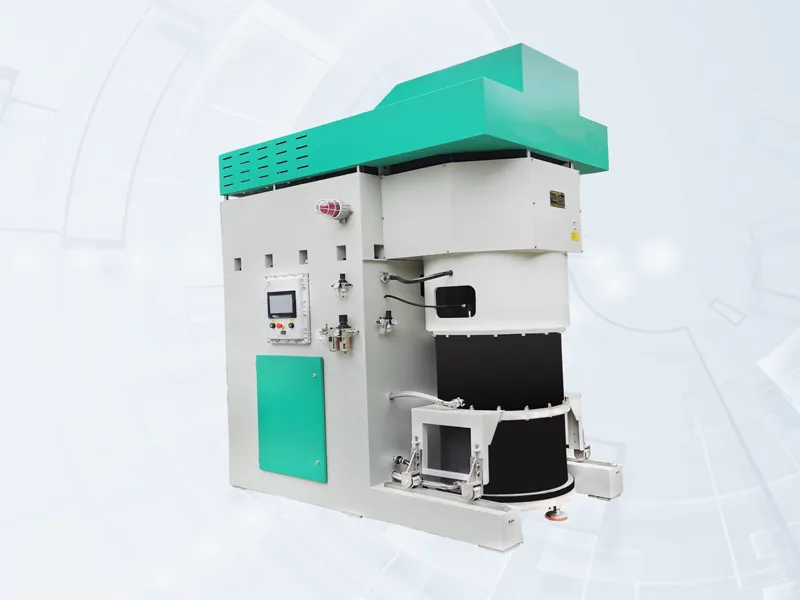
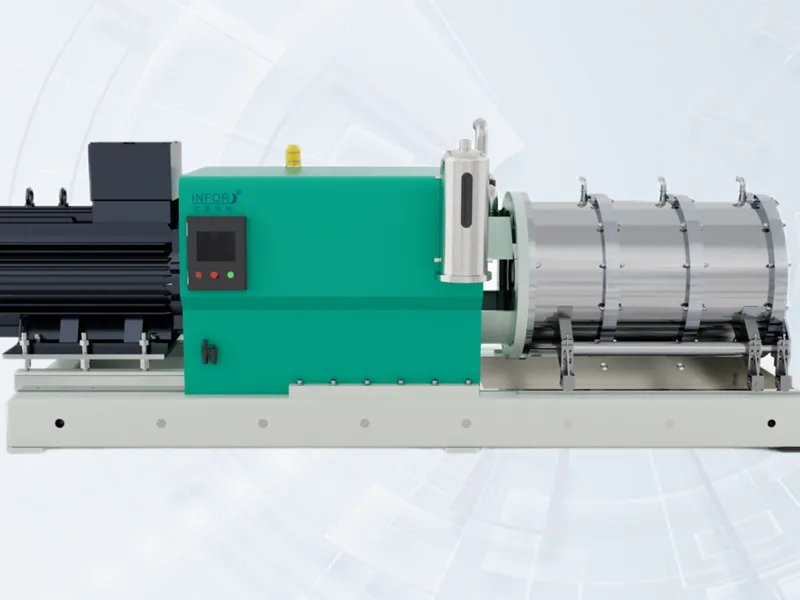
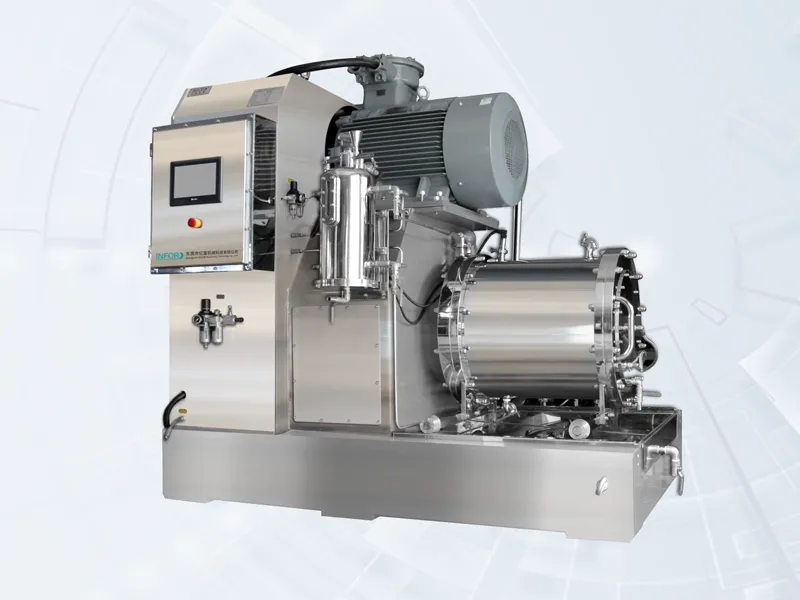
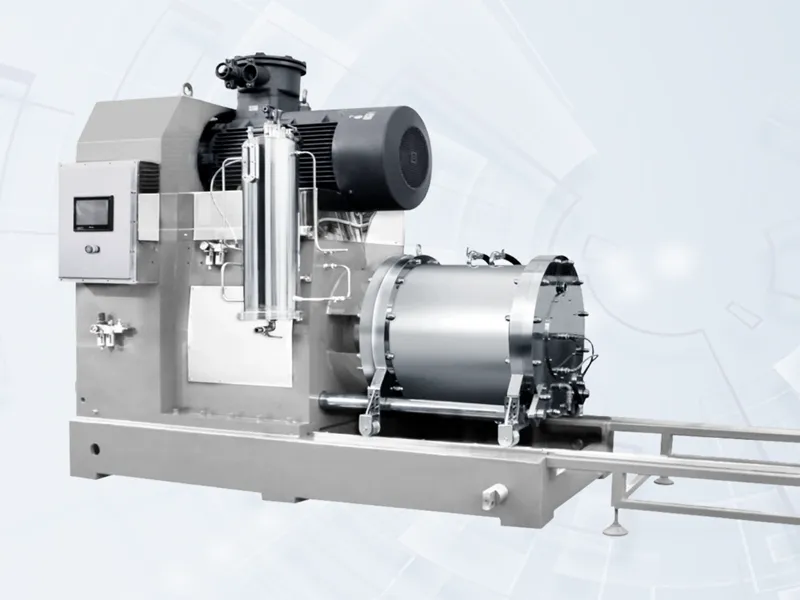
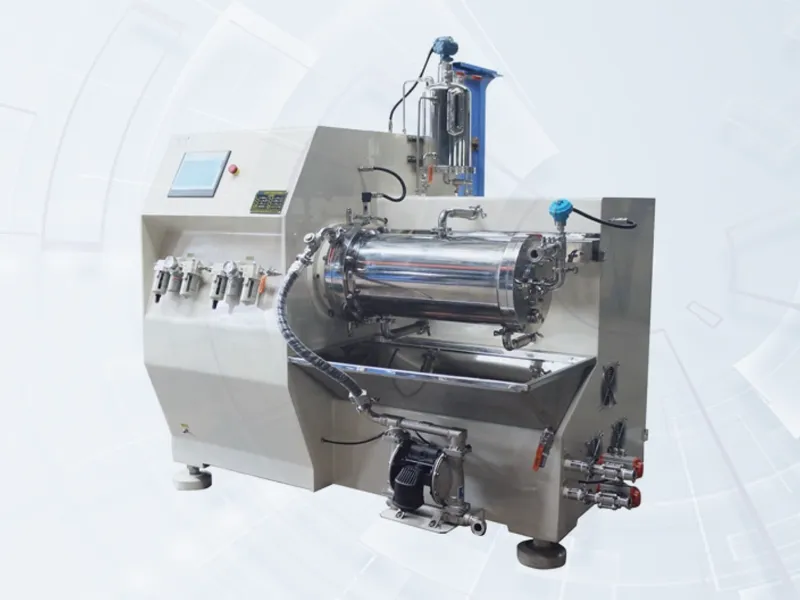
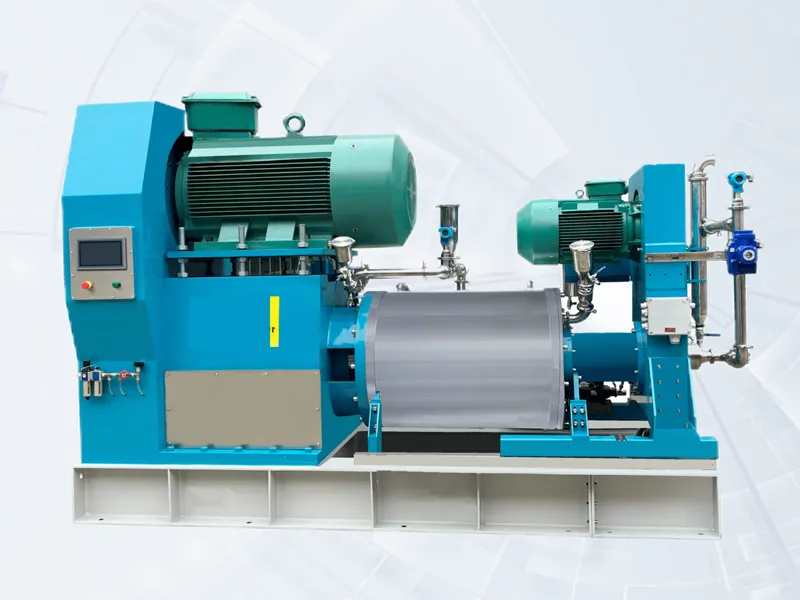
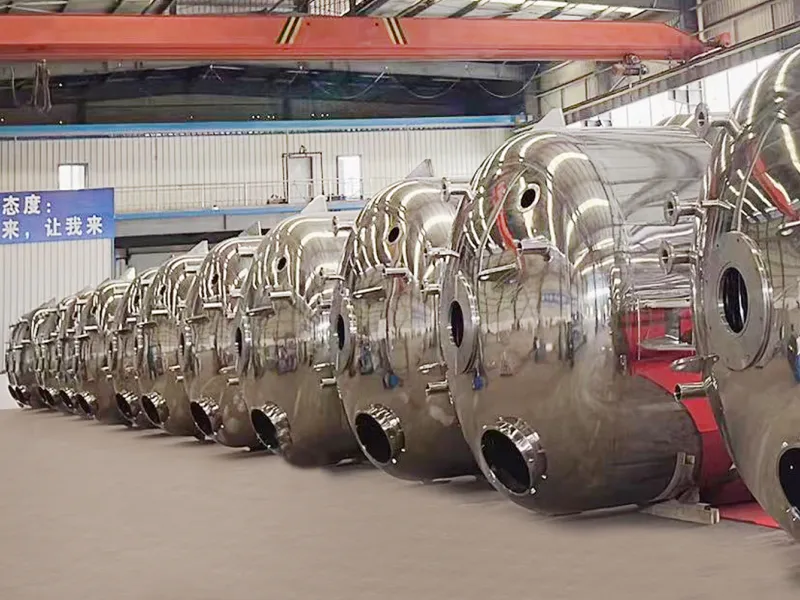
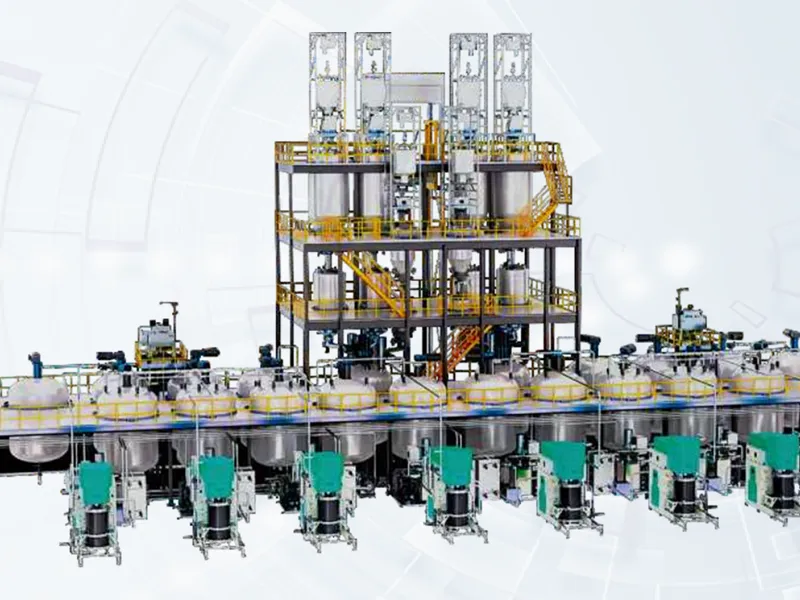

In many industrial fields, the grinding and refining of materials are essential basic processes, and sand mills and ball mills are the key equipment for achieving this goal. Although both belong to grinding machinery, they have significant differences in design principles, working methods, and applicable scenarios. A thorough understanding of the differences between the two is crucial for optimizing production processes and improving product quality and efficiency.

1. Working Principle and Core Structure: The Dynamics Between Shear and Impact Grinding
The fundamental difference between sand mills and ball mills lies in their core working principles and structural design.
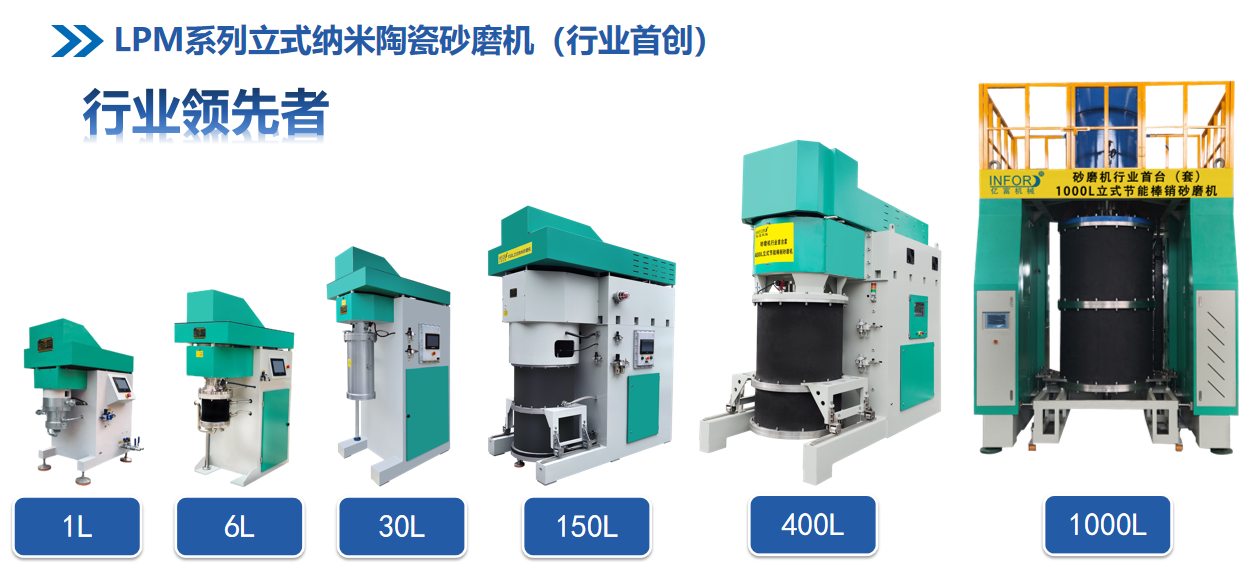
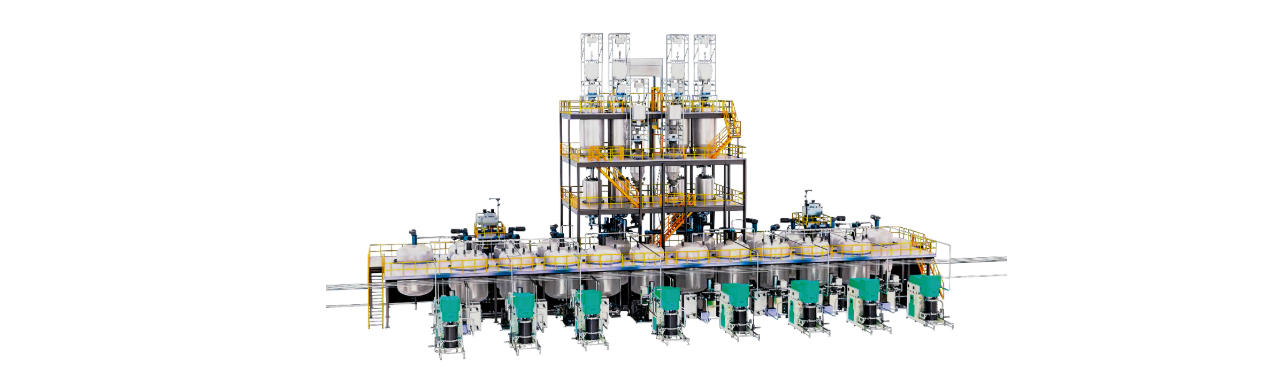
· Sand Mill: It uses the principle of dynamic media grinding. Its core components are a fixed chamber (grinding cylinder) and a high-speed rotating disperser (such as disc-type or pin-type). During operation, the grinding media (usually zirconia beads, glass beads, etc., with particle sizes between 0.1-2mm) move vigorously and chaotically inside the chamber under the high shear force generated by the disperser. The slurry to be ground is pumped into the chamber, where it experiences strong shear, compression, and friction between the media and between the media and the inner wall, achieving fine grinding and dispersion of the material. This process is more focused on wet grinding and typically operates in a closed, continuous, or circulating mode.
· Ball Mill: It primarily relies on impact and gravity grinding. The main body is a horizontal or slightly inclined cylinder that rotates around an axis. The cylinder contains grinding media of specific proportions and sizes (such as steel balls or ceramic balls). As the cylinder rotates, the media are lifted to a certain height by centrifugal force and friction, then fall or slide down, producing impact, collision, and grinding effects on the material inside the cylinder (either dry powder or wet material). Its operation is mostly batch-type, and its structure is relatively simple.
2. Performance Characteristics and Application Scenarios: The Distinction Between Fine Dispersion and Large Processing Capacity
Based on different working principles, the two each have their own performance advantages, making them suitable for different industrial scenarios.
· Sand Mill: Its outstanding advantages lie in high efficiency and ultra-fine grinding capabilities. Relying on high-speed shearing, it can more effectively break particle agglomerates, achieving submicron or even nanometer-level fineness, while ensuring excellent uniformity in particle distribution. Therefore, it is widely used in fields that require extremely high product fineness, purity, and dispersibility:
· High-end Coatings and Inks: Such as automotive paints and digital inkjet inks, where pigments need to be highly dispersed to achieve excellent coverage, gloss, and stability.
· New Energy Battery Materials: Uniform dispersion of cathode and anode slurries is key to ensuring consistent battery performance.
· Fine Chemicals and Pesticides: Requires uniform dispersion of active ingredients into carriers.
· Electronic Ceramics and Magnetic Materials: Nanometer-level grinding of raw materials is a prerequisite for obtaining high-performance products.
· Biopharmaceuticals: Cell disruption, liposome preparation, etc.
· Ball Mill: Its advantages lie in strong adaptability and larger processing capacity. It can handle both dry and wet materials, has relatively flexible feed particle size requirements, features sturdy equipment structure, easy maintenance, and relatively low operating costs. Typical application scenarios include:
· Mining and Metallurgy: Coarse and fine grinding of ores, serving as a mainstay on mineral processing production lines.
· Building Materials Industry: Grinding of cement and ceramic raw materials.
· Traditional Ceramics and Refractory Materials: Mixing and preliminary crushing of raw materials.
· Chemical Production: Grinding and mixing of certain solid materials where fineness requirements are not particularly strict.
3. Key Parameters and Comprehensive Considerations
In practical selection, it is also necessary to comprehensively compare multiple key parameters:
· Grinding Fineness: Sand mills are generally superior and can easily achieve sub-micron levels; ball mills typically reach tens to hundreds of microns.
· Energy Efficiency: To achieve the same fineness, sand mills have higher energy density, and the energy consumption per unit output may be more advantageous, especially for ultrafine grinding.
· Contamination Control: Sand mills (especially when using ceramic or polymer media) have a lower risk of metal contamination in materials; ball mills (using steel balls and steel liners) have a certain risk of metal wear contamination.
· Operation and Maintenance: Ball mills are simple to operate and easy to maintain; sand mills require more demanding pumping and sealing/cooling systems, and maintenance is relatively precise.
· Investment Cost: For the same processing capacity, sand mill systems for ultrafine grinding generally require higher initial investment.
Selection Recommendations:
· Preferred Sand Mill: When your process goal is to achieve ultra-fine particle size (typically D90 < 1 μm), narrow particle size distribution, and highly dispersed slurry products in a wet process, especially in the fields of new materials, fine chemicals, and high-end coatings.
· Preferred Ball Mill: When you need to handle dry powder or wet materials, the final fineness requirements are not extreme, aiming for large-scale, low-cost grinding and mixing, or in traditional heavy industries such as mineral processing and building materials.
In summary, sand mills and ball mills are not simply interchangeable, but complementary solutions in the field of grinding technology, catering to different precision and production capacity requirements. Only by accurately understanding their intrinsic mechanisms and performance limits can one make the most scientific and economical technical choices based on specific material characteristics, product specifications, and production scale, allowing the path of precision grinding to truly serve industrial upgrading and value creation.