Aug 20, 2026
Blog

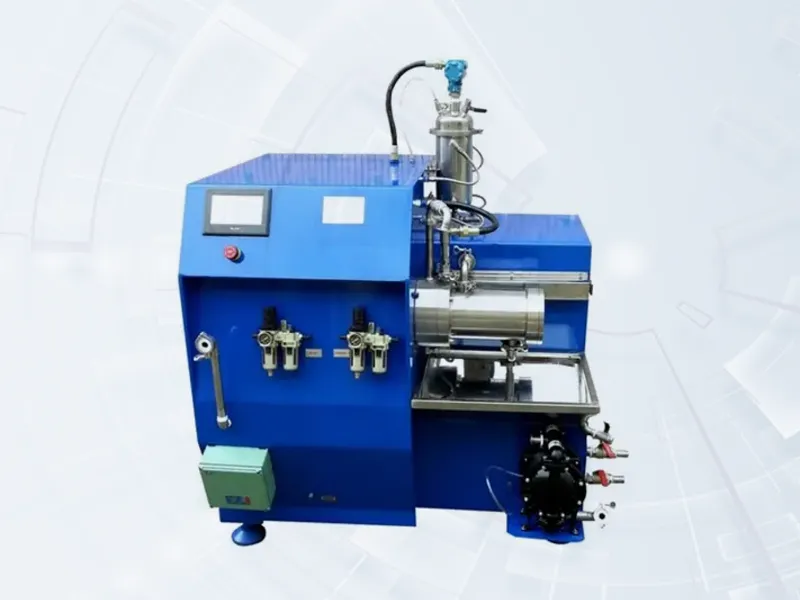
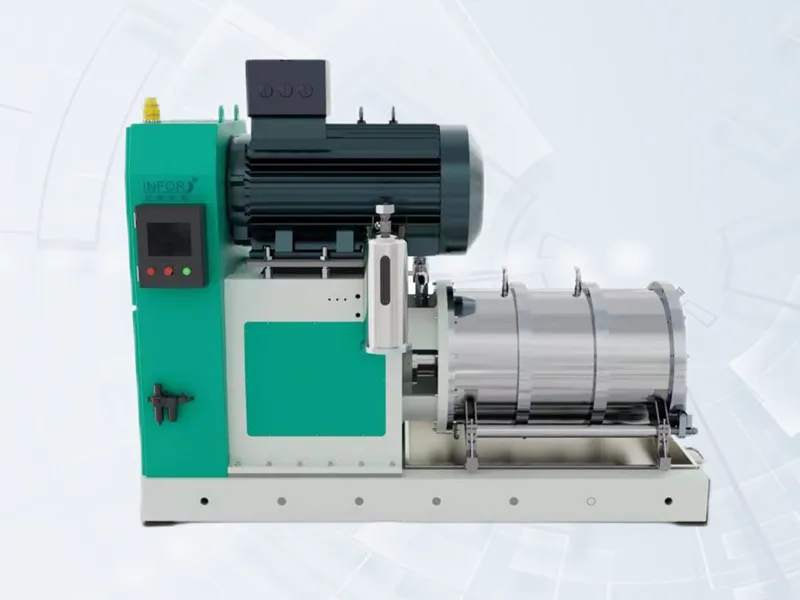
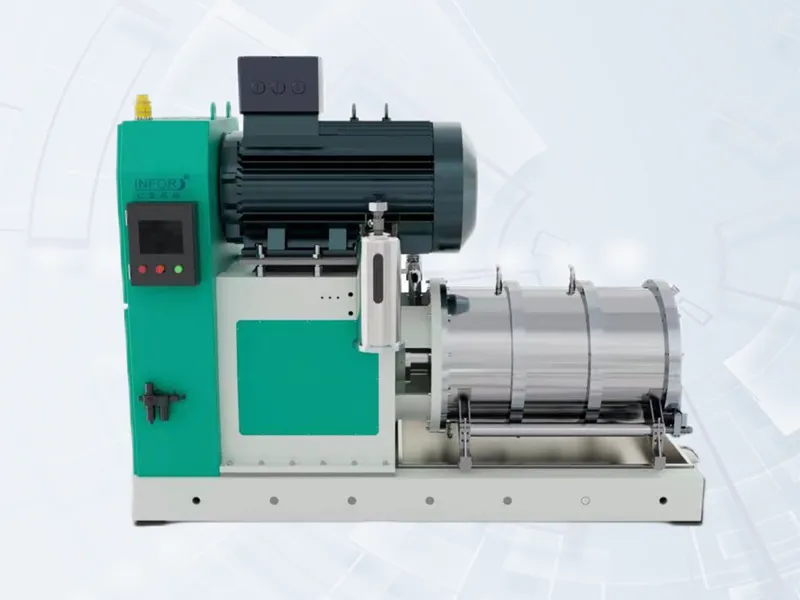
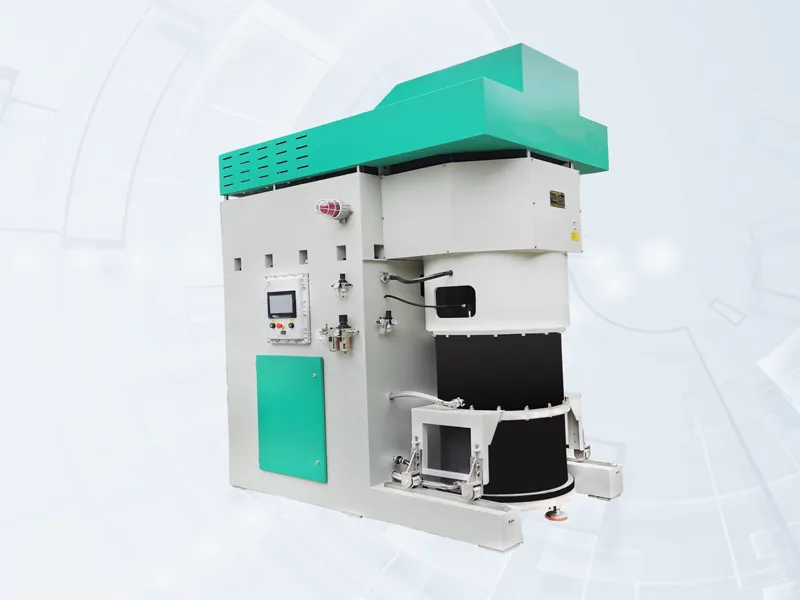
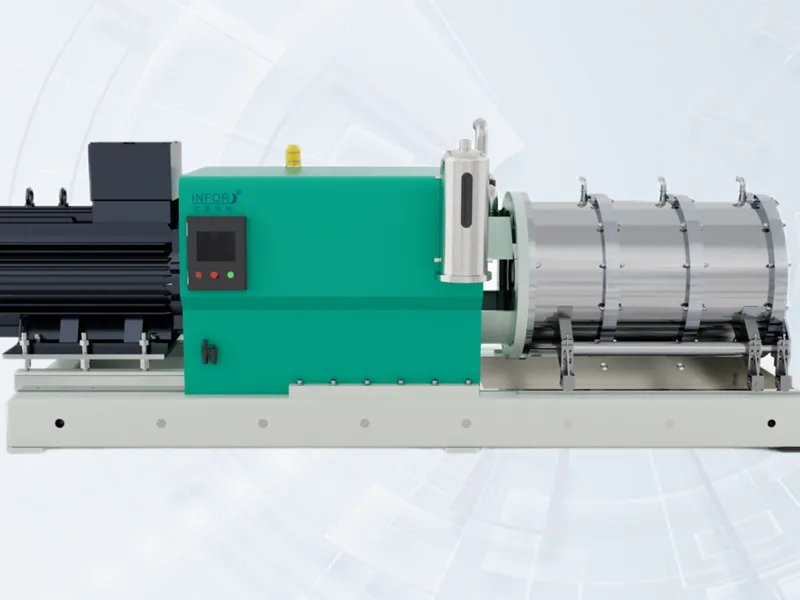
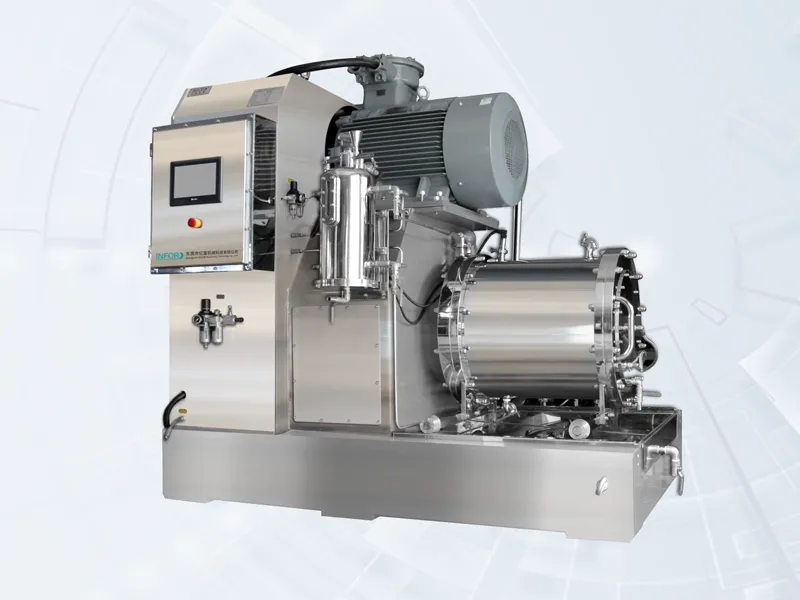
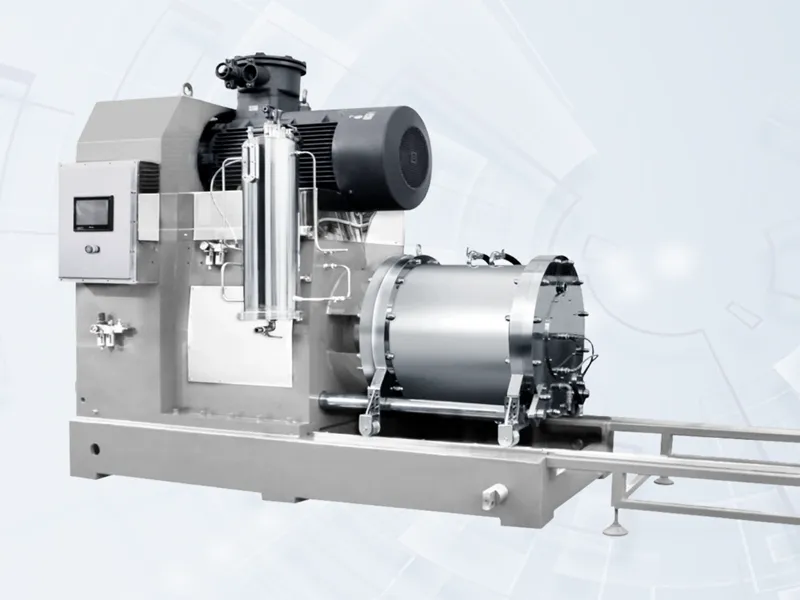
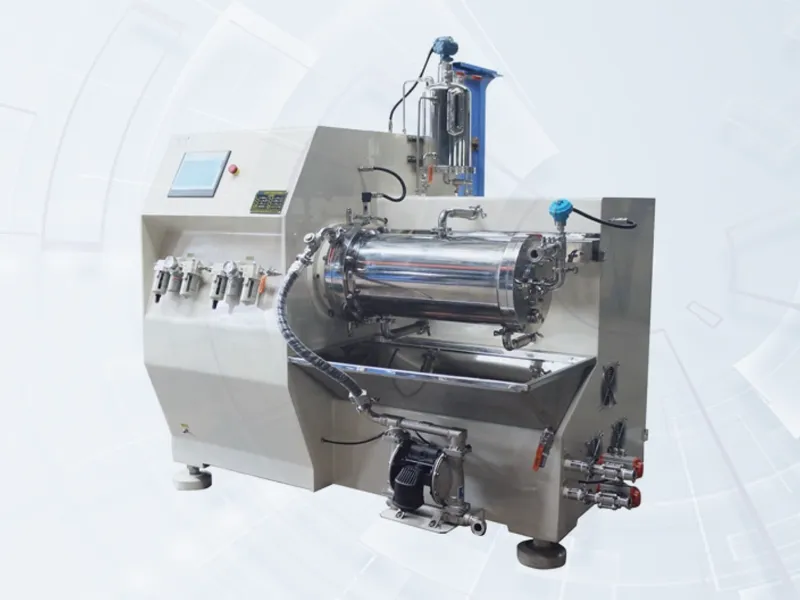
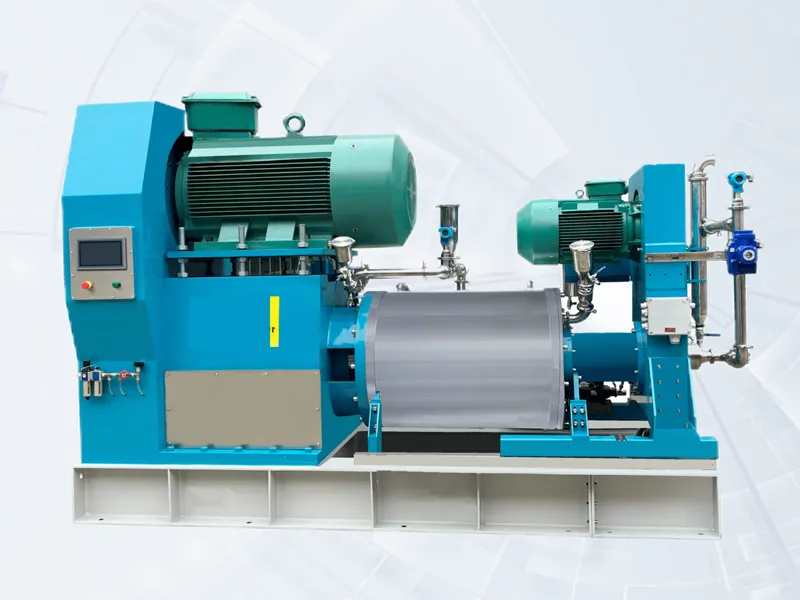
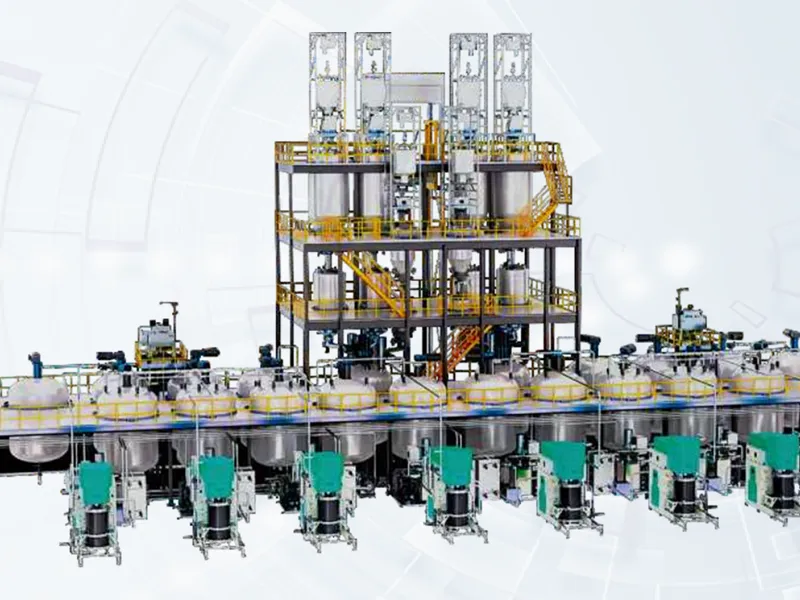

In the industrial production of new energy and new materials, sand mills are indispensable "star equipment", and the chillers closely matched with them are like "reliable companions" for sand mills, playing a crucial role in their normal operation. Today, we will delve into the performance of chillers and how to select them.
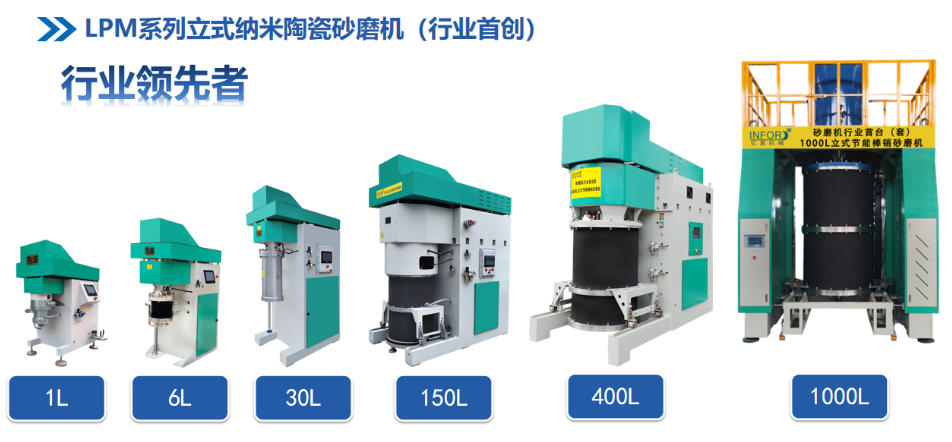
During the operation of a sand mill, intense friction between grinding media generates a large amount of heat. This issue is more pronounced in nano grinding mills, where finer grinding processes generate higher heat loads. If this heat cannot be dissipated in a timely manner, it will lead to a series of serious problems. Excessively high temperatures can change the properties of materials and affect product quality. Moreover, high temperatures can damage the mechanical components of the sand mill, shorten its service life, and increase maintenance costs. The function of a chiller is to remove the heat generated by the sand mill through a circulating cooling system, ensuring that the sand mill operates stably at an appropriate temperature.
Cooling Capacity
Cooling capacity is one of the key indicators to measure the performance of a chiller. It refers to the amount of heat that the chiller can remove from the cooled object per unit time. The cooling capacity directly determines whether the chiller can meet the cooling needs of the sand mill. Generally speaking, the higher the power and grinding intensity of the sand mill, the more heat it generates, and the greater the cooling capacity required for the chiller. When selecting a chiller, the required cooling capacity should be accurately calculated based on the actual power and operating intensity of the sand mill.
Temperature Control Precision
Precise temperature control is crucial to ensuring the grinding effect of the sand mill and product quality. High-quality chillers can control the temperature of the cooling liquid within a small error range, ensuring that the sand mill always works in a stable temperature environment. For example, some high-end chillers can control the temperature with a precision of ±0.1℃ or even higher, which can effectively avoid unstable product quality caused by temperature fluctuations.
Energy Efficiency
With the enhancement of environmental awareness and the continuous rise of energy costs, the energy efficiency of chillers has attracted increasing attention. Energy-efficient chillers adopt advanced compressor technology, high-efficiency heat exchangers, and intelligent control systems, which can minimize energy consumption while meeting cooling needs. Using energy-efficient chillers not only reduces the production costs of enterprises but also complies with national energy conservation and emission reduction policies.
Stability and Reliability
Industrial production is usually continuous, so the stability and reliability of chillers are crucial. A reliable chiller should have good anti-interference ability and self-protection functions, and be able to operate stably for a long time in complex industrial environments. At the same time, key components of the chiller, such as compressors and water pumps, should adopt products from well-known brands to ensure their quality and performance.

Matching the Sand Mill's Requirements
When selecting a chiller, the first step is to determine the appropriate cooling capacity based on the sand mill's power, operating intensity, and cooling requirements. Generally, you can refer to the technical parameters of the sand mill or consult the sand mill company to obtain accurate cooling capacity demand data. At the same time, the cooling method of the chiller should also be considered. The common types are air-cooled and water-cooled. Air-cooled chillers are easy to install and occupy a small area, but their cooling efficiency is relatively low, making them suitable for small sand mills and occasions with low requirements for ambient temperature. Water-cooled chillers have high cooling efficiency but require auxiliary equipment such as cooling towers, making them suitable for large sand mills and occasions with high cooling requirements.
Brand and Quality
Choosing a chiller from a well-known brand can ensure product quality and after-sales service. Well-known brands usually have rich production experience and strict quality control systems, and their products perform well in terms of performance, reliability, and stability. When purchasing a chiller, you can check user reviews and market reputation to understand the usage experience and feedback of other users.
After-Sales Service
It is inevitable that chillers will encounter some faults and problems during use, so good after-sales service is crucial. Choosing a manufacturer with a sound after-sales service system can timely provide users with technical support, maintenance, and spare parts supply services, ensuring the normal operation of the chiller. When purchasing a chiller, it is necessary to understand the manufacturer's after-sales service commitments and response time, as well as whether on-site maintenance services are provided.
Price Factor
Price is also one of the factors to consider when selecting a chiller. On the premise of ensuring product quality and performance, a cost-effective chiller should be selected. Do not pursue low prices at the expense of product quality and after-sales service, otherwise, it may bring more troubles and costs in the later use process.
The performance of the chiller directly affects the operation effect of the sand mill and product quality. When selecting a chiller, it is necessary to comprehensively consider factors such as cooling capacity, temperature control precision, energy efficiency, stability, and reliability. At the same time, a comprehensive evaluation should be carried out in combination with the actual needs of the sand mill, brand quality, after-sales service, and price to select the most suitable chiller and escort the enterprise's production.