Nov 16, 2024
Company News

In recent years, the global new energy vehicle market has flourished, driving the rapid growth of demand for lithium batteries. As the world's largest lithium battery producer, China has a complete industrial chain and cost advantages. It has become an inevitable trend for lithium battery new energy companies to go overseas. However, the road to sea is not a smooth road, opportunities and challenges coexist, and risks and benefits coexist. Today we will make some analysis on the opportunities, challenges and risks faced by Chinese lithium battery new energy companies going overseas.
Countries around the world have issued policies to encourage the development of new energy vehicles. It is expected that by 2030, the global sales of new energy vehicles will exceed 50 million, bringing huge market space to the lithium battery industry.
China has a complete industrial chain from upstream raw materials to downstream battery manufacturing, with obvious cost advantages, product quality continues to improve, and international competitiveness is increasing.
In order to attract foreign investment, many countries have introduced a series of preferential policies, providing favorable conditions for Chinese lithium battery companies to go overseas.
Lithium battery technology continues to improve, and costs continue to decline, which has continuously improved the cost-effectiveness of new energy vehicles, further stimulating market demand.
The demand for new energy batteries in European, American and Southeast Asian markets has surged, especially in the fields of energy storage and power batteries. Europe plans to achieve the target of 30 million zero-emission vehicles by 2030, and the demand for energy storage is expected to reach 1,200GW by 2030, providing a huge market space for lithium battery companies.
Southeast Asian countries (such as Thailand and Indonesia) attract Chinese investment through tax reductions and industrial policies, becoming a growth point for emerging markets.
Chinese companies are leading in lithium iron phosphate (LFP) battery technology, with a cost of 20%-30% lower than that of Japanese and Korean companies, and further consolidate their advantages through large-scale production.
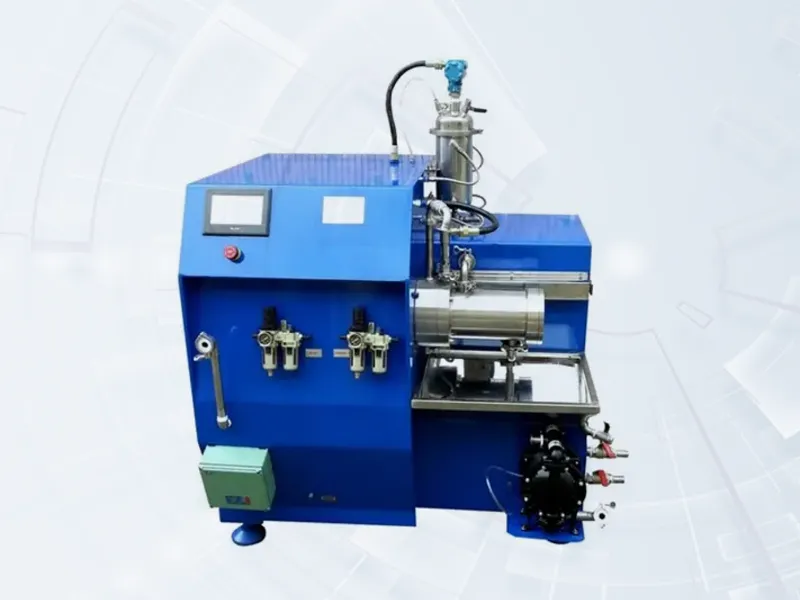
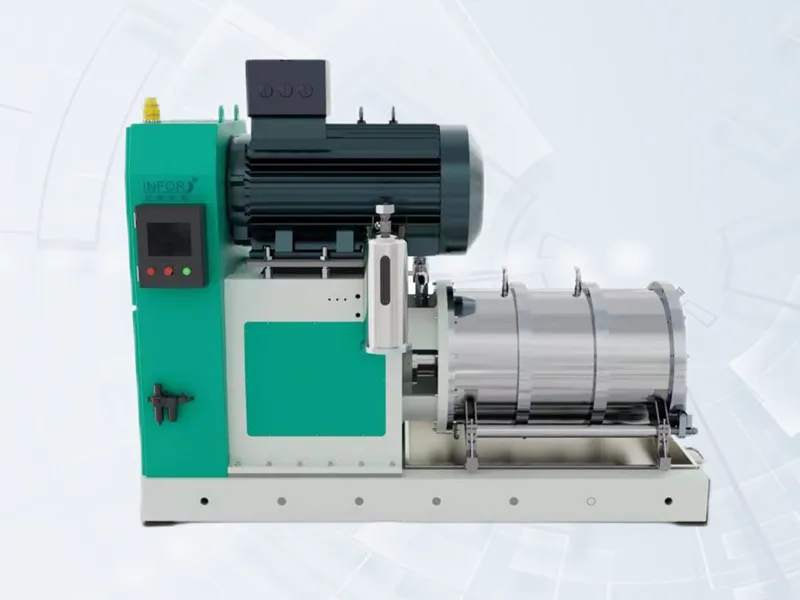
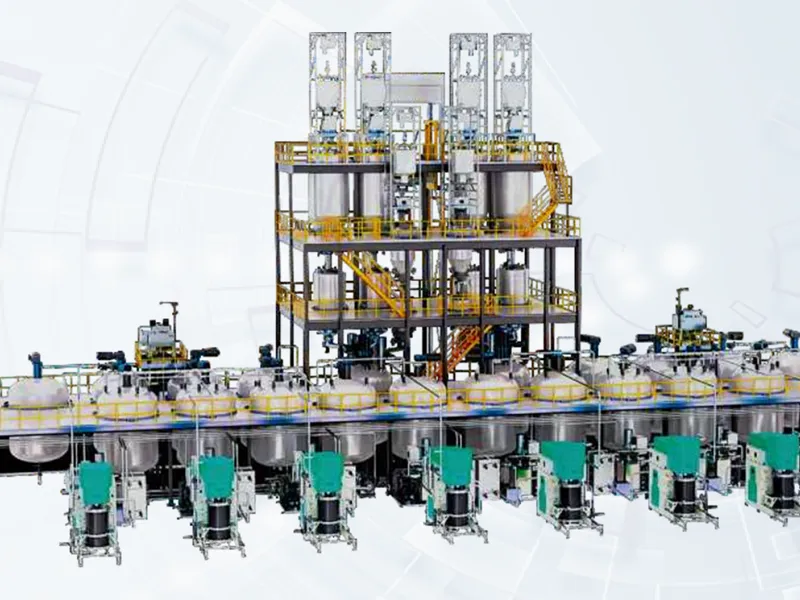
Domestic equipment manufacturers provide materials and battery cell integrated wire solutions to help overseas factory construction reduce costs and increase efficiency, and meet EU CE certification and other standards.
Europe and the United States promote localization of battery supply chains, but local production capacity is insufficient, providing a window period for Chinese companies to enter the market through joint ventures, technical authorization and other means. For example, CATL cooperates with Ford to evade US tariff restrictions.
The growth rate of overseas energy storage demand exceeded expectations. In 2023, global energy storage added 103.5GWh of installed capacity, and Chinese companies dominate European and American energy storage projects (such as CATL and Rolls-Royce cooperation).
In 2022, the global installed capacity of power batteries reached 517.9GWh, a year-on-year increase of 71.8%. Among them, China's installed power battery capacity reached 294.6GWh, accounting for 56.9% of the global market share.
It is estimated that by 2025, the global power battery market size will exceed US$100 billion.
Chinese lithium battery companies' share in the global power battery market continues to increase. In 2022, five Chinese companies including CATL, BYD, China Innovation Airlines, Guoxuan Hi-Tech, and Xinwangda entered the top ten global power battery installed capacity.
The traditional lithium battery powers such as Japan and South Korea are leading in technology, and European and American companies are also actively making arrangements. Chinese lithium battery companies are facing fierce international competition.
Foreign companies have a large number of patents in the core technology of lithium batteries, and Chinese companies may face technical barriers and patent disputes during their overseas trip.
Cultural differences, laws and regulations, market environments in different countries and regions are different. Chinese companies need to overcome localization challenges in their overseas trip.
Overseas factory building requires a complete supply chain system, and logistics costs will also increase, which puts higher requirements on corporate management capabilities.
The international situation is complex and changeable, and geopolitical risks may have adverse effects on Chinese lithium battery companies going overseas.
The constant changes in policies and regulations of various countries may cause uncertainty for Chinese lithium battery companies to go overseas.
Overseas market competition is fierce, and fluctuations in market demand may have an impact on corporate operations.
Lithium battery technology is updated quickly, and enterprises need to continue to invest in R&D to maintain competitiveness.
Exchange rate fluctuations may have an impact on the financial status of the company.
The laws and regulations of different countries and regions are different, and enterprises may face legal risks.
The US Inflation Reduction Act restricts China's battery modules from enjoying subsidies, and the EU's "New Battery Law" requires carbon footprint declaration and recycling ratio to increase compliance costs. For example, Guoxuan High-tech was asked by Volkswagen of Germany to use green electricity due to carbon emissions.
7. Market and policy uncertainty:
The growth rate of European electric vehicle market is lower than expected, resulting in Honeycomb Energy termination of German factory operations; the US energy storage battery tariff buffer period is only until 2026, and export costs may rise sharply in the future.
Overseas employment compliance, environmental protection standards (such as EU REACH regulations), supply chain supporting facilities (such as insufficient European power supply) and other issues increase operating costs. Shanshan Technology needs to solve challenges such as electricity bills and labor when building a factory in Finland.
Japanese and Korean companies are accelerating production expansion, European and American local battery factories (such as Northvolt) are gradually rising, and market competition may intensify in the future. Chinese companies need to continue to invest in new technologies such as solid-state batteries to maintain their advantages.
The opportunities and challenges of Chinese lithium battery new energy companies going overseas coexist, and risks and benefits coexist. Enterprises need to recognize the situation, seize opportunities, meet challenges, and prevent risks in order to be invincible in the fierce international competition. I believe that in the near future, Chinese lithium battery new energy companies will shine even more dazzling on the global stage. We need to balance opportunities and risks, and break through trade barriers through technological advantages, localization strategies and flexible cooperation models. Companies such as CATL and Guoxuan Hi-Tech have explored diversified paths and need to continue to pay attention to policy changes in the future.