Feb 22, 2025
Company News

Lithium iron phosphate cathode material has the advantages of excellent thermal stability, good cycle life, electrochemical stability, and environmentally friendly, making it one of the most ideal cathode materials in the field of power batteries. However, when metal impurities are introduced into lithium iron phosphate materials, it will seriously damage the life and safety of the battery. Common metal foreign matters include: iron, nickel, copper, zinc, chromium, etc.
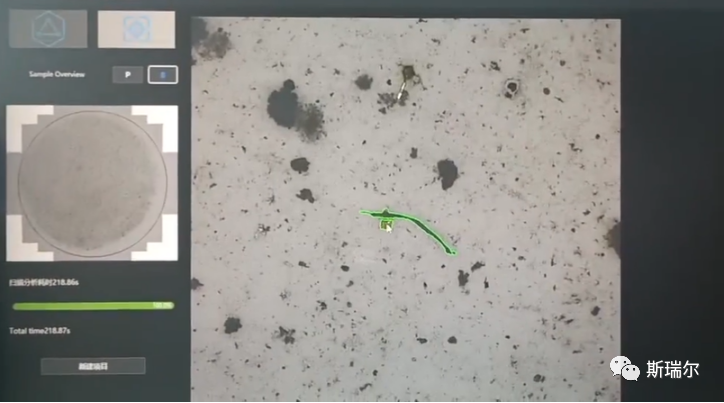
Specifically, metal particles foreign matter will first oxidize at the positive electrode and then restore to the negative electrode during the battery formation stage. When the metal element at the negative electrode accumulates to a certain extent, dendrites will form, resulting in perforation of the diaphragm, causing short circuits inside the battery, and increasing the self-discharge rate of the battery. In severe cases, the battery will even catch fire and explode, affecting the safety performance of the battery.
Positive electrode materials are one of the key materials for lithium-ion batteries and one of the important sources of introduction of metal foreign matter in lithium-ion batteries. The metal foreign matter content of the positive electrode materials directly affects the safety of downstream lithium battery products. Therefore, how to control the metal foreign matter content in the positive electrode materials is a major problem for major lithium-ion battery positive electrode material manufacturers. The level of control of metal foreign matter has become one of the most core indicators for measuring the production line of lithium-ion battery positive electrode materials.
One of the effective solutions is the control method of metal foreign matter in the production line design of positive electrode material.
There are several common rules for the protection of metal foreign matter in the design of positive electrode material production line: The parts of all equipment in the production line that are in direct contact with the material must be non-metallic or spray-coated on the surface of the metal substrate for protection.
Regarding parts that do not directly contact materials, the production line equipment is also divided into two categories: one is the components that have relative movement and friction to produce metal fine chips, and the other is the components that have no relative movement. For the former, physical isolation is generally adopted to prevent the metal fines generated by friction from scattering into the material with the air, such as the transmission mechanism of the roller kiln. For the latter, general coating or painting can be done, such as the equipment stand or outer shell.
In addition, during production line process design, demagnetization operations need to be added in each process. Before the final product, the materials need to be sieved and demagnetized. The process of magnetic demagnetization generally uses pipeline iron decapitators. Pipe iron decapitators are divided into two categories: drawer type and rotary type, and are selected according to the demagnetization speed and demagnetization effect required by different processes. Finished magnetization demagnetization generally uses large electromagnetic iron decapitators and multi-layer fence-type magnetic cores to ensure the demagnetization effect.